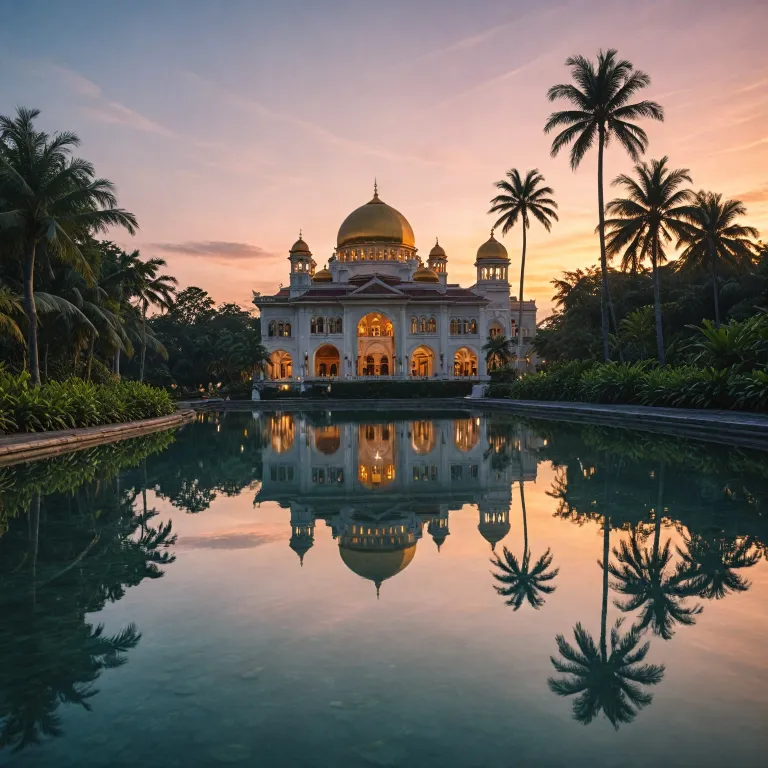
Negara Brunei luxury landscape for premium hotel bookings
Negara Brunei offers a rare blend of serenity and opulence for travellers. This small country in Southeast Asia combines lush rainforest, a devout Muslim population, and understated wealth shaped by oil and natural gas. For guests planning premium hotel bookings, the calm rhythm of daily life in Brunei Darussalam creates a refined backdrop.
The state Brunei is a constitutional monarchy where Sultan Haji Hassanal Bolkiah serves as both head of state and government. As Prime Minister, Sultan Hassanal Bolkiah also oversees finance, defence, and foreign affairs, which gives the brunei government unusual cohesion. This concentration of authority helps the government Brunei maintain strict standards around safety, infrastructure, and hospitality regulation.
Brunei’s prosperity rests heavily on oil and gas, with oil gas revenues funding generous public services. The brunei government provides free education and healthcare to citizens, and this stability supports a mature luxury hotel sector. In parallel, investment in information technology and halal manufacturing aims to reduce reliance on natural gas exports.
Bandar Seri Begawan, often shortened to Bandar Seri, is the capital and heart of high end stays. Along the Brunei River, guests see the golden dome of Masjid Omar Ali Saifuddien, often called Omar Ali mosque. The mosque honours Sultan Omar Ali Saifuddien, and its reflection in the water gives a dramatic sense of place for any premium hotel nearby.
Travellers should remember that alcohol is prohibited in public and religion shapes daily life. Sunni Islam is the official religion, and Sharia law operates alongside common law in this southeast Asian state. Respectful behaviour in Negara Brunei ensures a smooth, elegant stay in every luxury property.
Understanding culture, religion, and etiquette for luxury stays
Planning a premium stay in Negara Brunei means understanding its cultural fabric. The official language is Malay, but English is widely spoken in every major hotel. Most staff in luxury properties are trained to explain local customs so international guests feel comfortable.
The main religion in Brunei is Sunni Islam, practiced by approximately 82.1% of the population. This religious framework influences everything from hotel design to restaurant menus across the country. Many luxury hotels in Brunei Darussalam offer halal certified kitchens, prayer rooms, and discreet spaces for reflection.
Guests will notice that the state Brunei enforces modest dress codes in public spaces. In Bandar Seri Begawan and other towns, shoulders and knees should be covered when visiting mosques such as Omar Ali Saifuddien. When a hotel arranges mosque visits, staff usually brief guests on etiquette so religion and local sensitivities are respected.
Alcohol free policies in public areas shape the ambience of premium properties. Instead of bars, many luxury hotels in this southeast Asian sultanate highlight tea lounges, mocktail menus, and natural juice pairings. This creates a calm environment that suits travellers seeking wellness focused stays in Negara Brunei.
The brunei government also applies Sharia regulations to aspects of public behaviour. However, international visitors who respect the law and culture generally find the country exceptionally safe and orderly. For many, this sense of security enhances the appeal of high end hotels in Bandar Seri and beyond.
Because the population is relatively small, service in luxury hotels can feel highly personalised. Staff often remember guest preferences over the years, especially repeat visitors from the United Kingdom or other southeast countries. This continuity reflects both Malay hospitality traditions and the close knit nature of Brunei society.
Bandar Seri Begawan: where heritage meets five star comfort
Bandar Seri Begawan, the capital of Negara Brunei, concentrates most luxury and premium hotels. Overlooking the Brunei River, many properties frame views of Kampong Ayer, the historic water village. This juxtaposition of traditional Malay stilt houses and modern towers defines the city’s visual identity.
At the centre of Bandar Seri stands the iconic Omar Ali Saifuddien mosque. Its marble minarets and gold dome dominate the skyline and symbolise the deep connection between religion and state Brunei. Many travellers choose hotels within a short drive so they can admire the mosque at different times of day.
Another landmark is Istana Nurul Iman, the official residence of Sultan Brunei, Sultan Haji Hassanal Bolkiah. While the palace is not open year round, its presence reinforces the city’s status as the seat of brunei government. The combination of royal protocol and modern administration gives Bandar Seri a distinctive, ceremonial atmosphere.
Luxury hotels in Bandar Seri often integrate subtle references to the sultanate’s history. Design details may evoke the era of Brunei British relations, when the United Kingdom oversaw defence and foreign affairs. After full independence, the country retained some British legal influences while affirming Malay and Islamic identity.
From a practical perspective, Bandar Seri is the best base for exploring Brunei Darussalam. Premium hotels offer transfers to the airport, boat tours on the Brunei River, and excursions into nearby rainforest reserves. For guests interested in oil and gas heritage, concierge teams can arrange visits to educational centres that explain the natural gas industry.
Because the population of the capital is modest, traffic remains light compared with other southeast Asian cities. This makes it easy to move between hotel, mosque, museum, and riverfront without long delays. For many travellers, this relaxed pace is a defining luxury in Negara Brunei.
How Brunei’s oil wealth shapes luxury and premium hospitality
The modern luxury hotel scene in Negara Brunei is inseparable from its energy economy. Since the discovery of oil, the country has relied heavily on oil and gas exports for revenue. These oil gas earnings fund infrastructure, roads, and utilities that directly support high end hospitality.
Brunei Darussalam’s GDP per capita ranks among the highest in southeast Asia. With a relatively small population, the state Brunei can invest significantly in public services and tourism facilities. This includes reliable electricity, clean water, and well maintained highways linking Bandar Seri to other districts.
However, dependence on natural gas and crude oil creates long term challenges. The brunei government recognises that fluctuating prices and finite reserves pose risks to the country. In response, the government Brunei launched an economic blueprint to diversify into information technology and halal manufacturing.
For travellers, this diversification brings new experiences within luxury hotels. Properties increasingly highlight local halal products, digital concierge services, and eco conscious initiatives that reduce reliance on fossil fuels. Some hotels partner with educational programmes to explain how Brunei balances oil wealth with sustainability goals.
Historically, Brunei’s relationship with the United Kingdom shaped its governance and legal framework. Under various agreements, Brunei British arrangements handled defence and foreign affairs while local rulers retained internal control. Full independence allowed Sultan Hassanal Bolkiah and the brunei government to direct oil and natural gas policy more autonomously.
Today, the sultanate’s energy income still underpins generous subsidies and low personal taxes. This stability encourages long term investment in premium hotels, conference venues, and wellness resorts. Guests benefit from modern facilities that sit quietly amid rainforest and mangrove landscapes in Negara Brunei.
Planning a luxury stay: neighbourhoods, experiences, and booking tips
When planning a premium stay in Negara Brunei, start by choosing the right area. Bandar Seri Begawan suits travellers who want quick access to government buildings, mosques, and museums. Riverside districts offer views of Kampong Ayer, while hilltop locations provide sweeping panoramas of the capital.
For business travellers, proximity to ministries and the brunei government quarter is essential. Many high end hotels cluster near key offices where government Brunei officials meet international partners. This makes it easy to attend meetings and return swiftly to the calm of a luxury suite.
Leisure guests often prioritise access to cultural landmarks and nature. Hotels can arrange guided visits to Omar Ali Saifuddien mosque, boat trips on the Brunei River, and excursions into forest reserves. Along the coast facing the South China Sea, some properties offer beach access and sunset views over the china sea horizon.
Event planners should consider specialist properties highlighted in resources such as Brunei luxury hotels for events and exceptional venues. These venues are designed for corporate retreats, weddings, and high level government delegations. Their teams understand protocol for visits involving Sultan Brunei representatives or foreign dignitaries from the United Kingdom and other southeast Asian states.
When booking, check whether your chosen hotel offers airport transfers and late checkout. Because the population is small, flight schedules can be limited, so flexible policies matter. It is also wise to confirm dress codes for restaurants, especially in properties that host official state Brunei functions.
Finally, consider how many years you plan to return, as repeat visits are common. Staff often remember preferences of guests who come back over the years for business or leisure. This continuity, rooted in Malay hospitality and the close knit nature of Brunei Darussalam, enhances every luxury stay.
Safety, respect, and practicalities for high end travellers
Negara Brunei is widely regarded as one of the safest destinations in southeast Asia. The combination of strong central authority under Sultan Haji Hassanal Bolkiah and clear laws keeps crime rates low. For luxury travellers, this translates into a relaxed environment where walking between hotel and mosque feels secure.
Visitors should still respect local regulations shaped by religion and tradition. Public displays of affection are discouraged, and alcohol consumption is prohibited in public spaces across the country. Hotels serving international guests may allow private consumption under specific rules, so always confirm policies in advance.
The population includes Malay, Chinese, and other communities, each contributing to the cultural mosaic. In Bandar Seri, you will hear Malay in markets, Chinese dialects in certain shops, and English in hotels. This linguistic diversity makes it easier for travellers to communicate while still experiencing authentic local life.
Because the official religion is Islam, Friday prayers are particularly important in state Brunei. Government Brunei offices and some businesses close or operate shorter hours around midday. Luxury hotels usually adjust restaurant and spa schedules accordingly, and concierges can advise on the best times to move around.
Geographically, Brunei Darussalam sits on the island of Borneo, facing the South China Sea. Its coastline and mangroves provide natural buffers, while inland forests remain relatively untouched compared with other southeast Asian regions. Some premium properties now offer guided eco walks that explain how oil and natural gas development coexists with conservation.
For travellers interested in history, staff can recount how Brunei British agreements evolved into full independence. They may also share stories about Sultan Omar Ali Saifuddien and the transition to the current Sultan Brunei. Understanding these narratives adds depth to every stay in this quietly affluent sultanate.
Key statistics for luxury travel in Negara Brunei
- Population: approximately 464 478 people, supporting an intimate, uncrowded travel experience in Brunei Darussalam.
- GDP per capita: around 38 400 USD, reflecting the high income status of the country and its capacity for premium infrastructure.
- Oil and gas contribution to GDP: about 65 %, underlining how oil gas revenues still underpin much of the state Brunei economy.
- Muslim population percentage: roughly 82.1 %, confirming the central role of Islam as the official religion in Brunei.
Essential questions about Negara Brunei for hotel guests
What is the main religion in Brunei and how does it affect hotel stays ?
The main religion in Brunei is Sunni Islam, practiced by approximately 82.1% of the population. This shapes hotel operations through halal food standards, modest dress expectations in shared spaces, and quiet respect during prayer times. Luxury properties are adept at guiding international guests so religious norms enhance, rather than restrict, the overall experience.
What is the capital city of Brunei and is it the best base for travellers ?
The capital city of Brunei is Bandar Seri Begawan, often simply called Bandar Seri. It concentrates most government buildings, cultural landmarks, and premium hotels, making it the most practical base for first time visitors. From here, guests can easily reach mosques, museums, river villages, and coastal areas while enjoying refined urban comforts.
What is Brunei’s main source of income and does it influence tourism services ?
Brunei’s main source of income is the extraction and export of oil and natural gas, which account for about 65% of its GDP and 95% of its exports. This energy wealth funds high quality infrastructure, healthcare, and education, indirectly supporting a stable environment for luxury tourism. Travellers benefit from reliable utilities, good roads, and well maintained public spaces that complement premium hotel standards.