From skyline symbols to lived heritage in luxury stays
Brunei is a small country, but its cultural depth feels expansive. In Bandar Seri Begawan, the capital of Brunei Darussalam, luxury hotels are finally treating that depth as a living asset rather than a postcard backdrop. For couples planning a stay, this shift means that brunei culture heritage is no longer something you visit once, but something that quietly shapes every day of your trip.
The skyline tells the first chapter of this cultural story, with the Omar Ali Saifuddien Mosque rising above the river in marble and gold. From certain suites and lounges, you can frame the mosque’s reflection in the lagoon and understand why many guests say their strongest cultural views of Brunei come not from a museum, but from a hotel window at dusk. Yet the most interesting properties now go beyond views, curating access to the mosque’s visiting hours, explaining the melayu Islam beraja philosophy, and arranging respectful introductions to the religious life that underpins national identity.
Brunei’s government has long positioned the country as a quiet, stable corner of Southeast Asia, but the hospitality sector is now leaning into that stability as a platform for cultural immersion. Several luxury hotels in Bandar Seri Begawan integrate cultural heritage into their offerings. When you book through a specialist platform such as mybruneistay.com, you can filter for properties that work with the museums department, the history centre and local guides to interpret the royal and religious history that defines this Islamic monarchy.
For couples, the appeal lies in intimacy rather than spectacle. Instead of staged cultural performances, you might join a small group walk from your hotel lobby to the Omar Ali Saifuddien Mosque, with a guide explaining why the sultan’s title still carries such weight in daily life. The same guide may unpack how islam beraja – the national philosophy that blends Malay culture, Islam and monarchy – shapes everything from architecture to etiquette, giving brunei culture heritage a coherent narrative rather than a scattered list of sights.
This is where intangible cultural layers start to matter. The best concierges now talk about intangible cultural heritage in the same breath as spa menus, outlining how language, traditional knowledge and religious practice intersect in modern city life. In a region where many capitals chase nightlife, Bandar Seri Begawan instead offers couples a slower rhythm, where cultural heritage and river views replace rooftop bars and late closing times.
Mosques, museums and the etiquette of access
Luxury in Brunei Darussalam increasingly means curated access to sacred and civic spaces, not just larger rooms. Hotels in Bandar Seri Begawan now build entire cultural itineraries around the Omar Ali Saifuddien Mosque, the Royal Regalia Museum and the cluster of institutions near the history centre. For travelers, this turns what could be a quick photo stop into a structured immersion in brunei culture heritage.
The mosque experience is central, and etiquette matters. Non Muslim visitors are welcome during specific hours, but dress codes are strict, with women asked to wear robes provided on site and everyone required to remove shoes before entering prayer halls. Many high end properties brief guests in advance, arrange transport, and ensure that couples understand where photography is permitted, where silence is expected, and how to move respectfully through a space that is both national symbol and living place of worship.
Beyond the mosque, the museums department has quietly created one of Southeast Asia’s more intriguing clusters of cultural institutions. The Royal Regalia Museum, with its golden chariots and ceremonial weapons, offers a dense visual primer on royal protocol, while the Malay Technology Museum documents tools and lifestyles of different ethnic groups from riverine and inland communities. Hotels that take cultural heritage seriously now time their shuttle services and private tours to these venues, often pairing them with a stop at the Balai Khazanah Islam galleries for Islamic arts and manuscripts.
These curated routes are not random. They trace the arc from national history to contemporary life, showing how the sultan’s role, the government’s policies and the melayu Islam beraja philosophy have shaped everything from youth sports programs to the design of national dress. Guests hear how the ministry of culture, youth and sports works with the museums department and the history centre to safeguard both tangible and intangible cultural assets, and how ich Brunei initiatives align with wider UNESCO style frameworks for intangible cultural heritage.
For couples, the benefit is clarity. Instead of piecing together fragments about Brunei’s ethnic groups, language policies and royal ceremonies, you move through a narrative that connects the royal regalia to the Omar Ali Saifuddien Mosque, and then back to the understated rituals you see in hotel service. How is Brunei preserving its cultural heritage? Through initiatives like integrating traditional elements into luxury hospitality and collaborating with local artisans.
Several luxury hotels in Bandar Seri Begawan integrate cultural heritage into their offerings. Guests can enjoy traditional crafts, cultural performances, and local cuisine. When you return to your room after a day of museums and mosques, the turn down service, the phrasing of greetings in Malay language and English, and the quiet deference to privacy all feel like extensions of a national etiquette shaped by centuries of royal and religious history.
Artisans, river life and the new language of luxury
The most interesting evolution in Brunei’s luxury scene is happening far from marble lobbies. Hotels are beginning to treat local artisans, river communities and traditional knowledge bearers as collaborators rather than suppliers. For couples, this means that brunei culture heritage is increasingly something you can touch, taste and commission, not just admire behind glass.
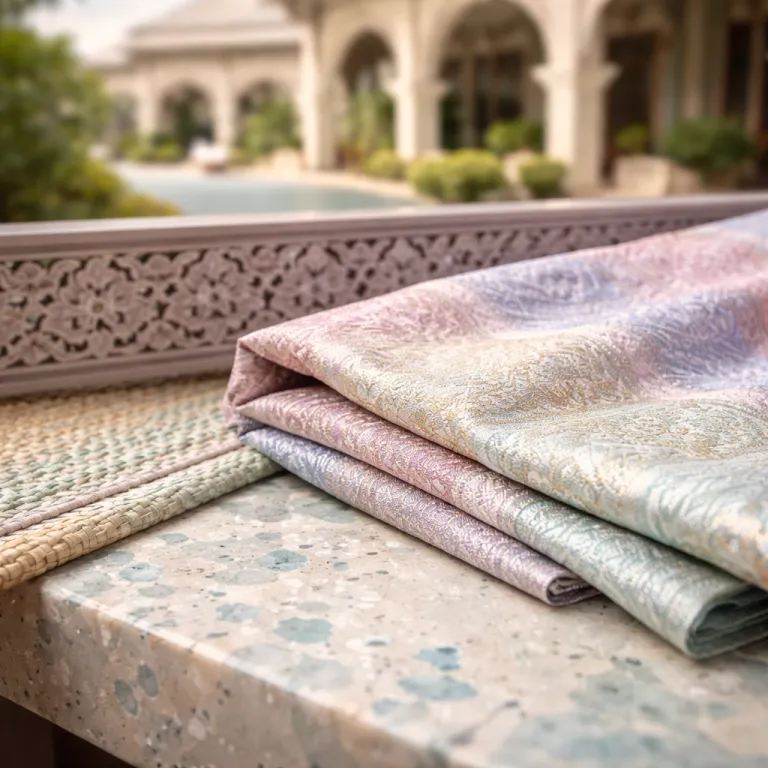
Start with textiles. The Brunei Arts and Handicraft Training Centre has long trained weavers in Jong Sarat, the richly patterned brocade associated with royal and ceremonial dress in this country. Now, several high end properties in Bandar Seri Begawan source cushions, runners and framed panels directly from these workshops, sometimes inviting weavers to host demonstrations in the lobby so guests can see how metallic threads and traditional motifs are combined by hand.
Silverwork follows a similar pattern. Instead of generic souvenirs, hotels are partnering with ethnic Malay and Kedayan silversmiths to create limited pieces that reflect heritage Brunei design – think understated trays, tea sets and jewelry that reference royal insignia without copying them. Couples can commission bespoke items during longer stays, turning a romantic trip into an opportunity to support living arts while bringing home objects that carry genuine cultural weight.
These collaborations are part of a broader ich Brunei movement that treats intangible cultural expressions – weaving techniques, metalworking skills, oral histories – as assets to be sustained through real economic activity. The ministry of culture, youth and sports and the museums department encourage such partnerships, seeing them as a way to keep traditional knowledge relevant to younger generations. Hotels, in turn, gain a distinctive narrative that sets them apart from generic Southeast Asia luxury properties.
River life adds another layer. From Bandar Seri Begawan, water taxis skim across to Kampong Ayer, the historic water village where stilt houses, mosques and schools line the Brunei River. Some luxury hotels now arrange private boat trips that include tea with local families, explanations of how different ethnic groups adapted to riverine life, and conversations about how islam beraja and melayu Islam values shape community structures on the water.
Food is where many couples feel the culture most directly. Properties that take brunei culture heritage seriously are moving beyond international buffets to highlight national dishes, often in partnership with local cooks and markets. If you want to go deeper into the real flavors of Bandar Seri Begawan, plan an evening using this insider guide to ambuyat, nasi katok and the real flavors of the capital, then return to your hotel to see how chefs reinterpret those same dishes with fine dining techniques.
What emerges is a new language of luxury, one that values context as much as comfort. The best properties now brief staff on cultural heritage as thoroughly as on wine lists, so that a conversation about spa timings can easily segue into a discussion of national arts, language policy or the role of youth sports in culture youth programs. For travelers who care about authenticity, this is where Brunei quietly outperforms louder destinations in Southeast Asia.
Royal hospitality, service culture and booking with intent
To understand why heritage driven hospitality feels so natural in Brunei, you need to look at the country’s royal traditions. The sultan’s court has long set the tone for etiquette, generosity and discretion, and those values have filtered down into service culture in ways that feel distinct from neighboring states. For couples booking premium stays, this means that brunei culture heritage is not an add on, but the foundation of how you are welcomed, addressed and looked after.
Royal hospitality in Brunei Darussalam is less about ostentation than about seamlessness. Staff are trained to anticipate needs quietly, to use appropriate forms of address in Malay and English, and to balance formality with warmth in a way that reflects melayu Islam beraja ideals. When a concierge arranges a private visit to the Omar Ali Saifuddien Mosque or a guided tour of the Royal Regalia Museum, they are not just booking logistics ; they are extending a national tradition of hosting guests with dignity and care.
This ethos shapes everything from check in rituals to how cultural information is presented. Instead of handing you a generic brochure, better properties offer slim, well edited guides that explain the history of Bandar Seri Begawan, outline key sites such as the Malay Technology Museum and the history centre, and introduce the main ethnic groups that make up modern Brunei. These guides often reference national policies from the government and the ministry of culture, youth and sports, framing your stay within a broader narrative of cultural preservation.
For couples, the practical question is how to book into this ecosystem intelligently. Platforms like mybruneistay.com now highlight which hotels collaborate with local artisans, which support ich Brunei projects, and which offer structured cultural programming rather than occasional themed nights. Look for properties that mention partnerships with the museums department, that reference intangible cultural heritage in their materials, and that can arrange visits to institutions in Bandar Seri Begawan without outsourcing everything to third party operators.
Heritage hospitality works in Brunei because it is anchored in real life rather than manufactured spectacle. This is a country where islam beraja and melayu Islam values still shape daily routines, where national arts and language policies are actively managed, and where the history of the royal family is visible not only in palaces but in the cadence of public ceremonies. When hotels align with that reality – through staff training, curated experiences and support for traditional knowledge bearers – the result feels coherent rather than contrived.
For discerning travelers, the opportunity is clear. By choosing properties that engage seriously with brunei culture heritage, you help sustain living traditions, from youth sports programs that keep culture youth initiatives vibrant to artisan workshops that maintain weaving and silverwork skills. In return, you gain a stay where every interaction – from breakfast conversations about national history to evening views of Omar Ali Saifuddien’s golden dome – feels like part of a larger, quietly luxurious narrative.
Key figures shaping Brunei’s cultural luxury landscape
- Brunei’s tourism authorities report an approximate 15 % increase in cultural tourism in recent years, reflecting growing demand for experiences rooted in brunei culture heritage rather than generic sightseeing (Brunei Tourism Board).
- Around 10 luxury and premium hotels in Bandar Seri Begawan and wider Brunei Darussalam now integrate cultural elements such as guided mosque visits, artisan collaborations and museum partnerships into their core offerings, signalling a structural shift in the market (Brunei Hospitality Association).
- National institutions including the museums department, the history centre and the ministry of culture, youth and sports collectively manage dozens of programs related to intangible cultural heritage and ich Brunei initiatives, providing a robust framework for hotel partnerships and guest experiences.