Brunei food guide for luxury hotel guests
Brunei rewards patient travellers who care about food as much as five star thread counts. In this brunei food guide, the focus is on how luxury and premium hotel guests can move gracefully between polished hotel dining rooms and the deeply local flavours of Bandar Seri Begawan. You will taste bruneian dishes built around rice, chicken, fish and fragrant sauces, while still returning to suites where the turndown service feels as precise as a Japanese tea ceremony.
Start by understanding that Brunei Darussalam offers a fully halal dining environment, which shapes every restaurant menu and every street stall. For international travellers used to wine pairings, this means the pleasure shifts toward carefully brewed coffee, spiced teas and fresh juices, whether you are in a riverside cafe in bandar seri begawan or a high floor lounge overlooking the mosques. Luxury hotels in Brunei work closely with Bruneian chefs and local food vendors, so the best places to stay often double as your most reliable food guide to the city.
Most visitors base themselves in Bandar Seri Begawan, usually shortened to bandar seri or simply Brunei’s capital. From here, you can reach the main gadong food markets, the water village and the newer malls, each with its own style of dining and its own version of what makes food good. This brunei food guide treats the city as a series of edible neighbourhoods, where a refined kedai kopi, a family run chinese restaurant and a polished hotel grill can all sit within a few hundred metres.
Ambuyat, nasi katok and the rhythm of local dining
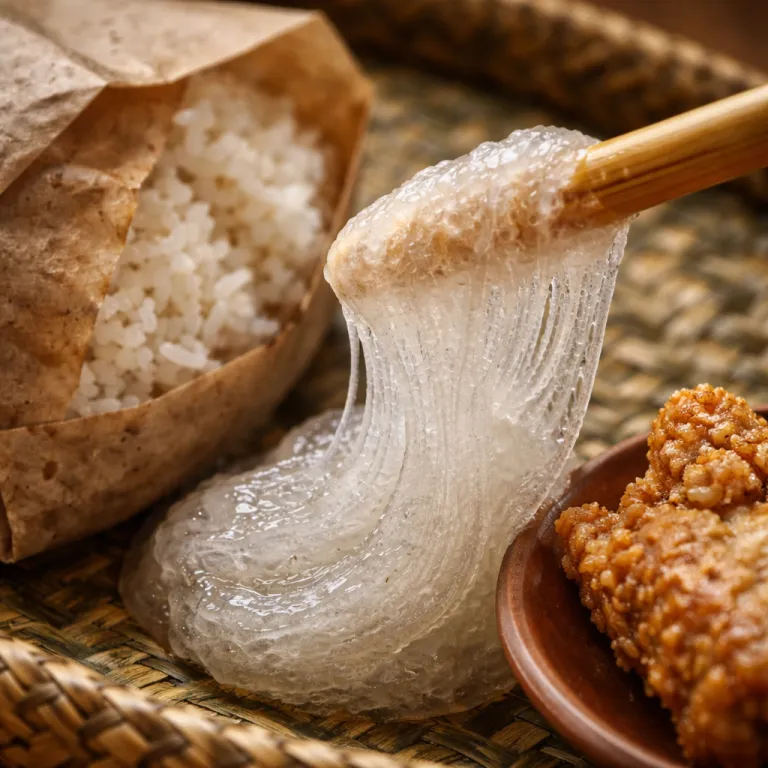
Any serious brunei food guide must begin with ambuyat, the national dish that tells you more about the country than any museum label. Ambuyat is a starchy preparation made from sago palm, eaten with a tangy dipping sauce called cacah and usually accompanied by fried fish or slow cooked chicken beef stews, and it is best enjoyed in a traditional restaurant where Bruneian families gather for long, unhurried meals. One official explanation captures it clearly ; "What is Brunei's national dish?" and the answer follows without hesitation : "Ambuyat, a starchy dish made from sago palm."
Ask your hotel concierge to book a table at a local dining room in bandar seri begawan that specialises in ambuyat, because the ritual matters as much as the taste. You roll the sticky starch with a bamboo fork, dip it into various sauces, then share plates of fried chicken, grilled fish and vegetables, which turns dinner into a communal performance rather than a quick bite. Luxury travellers who usually chase tasting menus will find that this style of dining in Brunei Darussalam offers a different kind of refinement, one based on etiquette, shared bowls of rice and the quiet choreography of a Bruneian family meal.
Running parallel to ambuyat culture is the world of nasi katok, the unofficial national street food of Brunei. Nasi simply means rice, while katok refers to the act of knocking on a door, a nod to the original late night stalls where you would knock for a packet of rice, fried chicken and sambal, often priced around one Brunei dollar. Today, nasi katok shops and stalls appear across bandar, gadong and even kuala belait, and any practical food guide will tell you that sampling several nasi katok versions is essential to understanding everyday food Brunei style.
From hotel dining rooms to kedai kopi and night markets
Luxury hotels in Brunei Darussalam tend to play things quietly, but their kitchens are often where visiting Bruneian chefs experiment with a fusion of traditional and modern techniques. Breakfast buffets might feature nasi lemak, fried noodles and fried rice alongside continental staples, while room service menus reinterpret ayam penyet, curry puffs and even dim sum with a lighter, more international touch. This balance allows cautious travellers to use the hotel as a soft landing before venturing into the more intense flavours of street food Brunei wide.
Once you feel ready to step out, your first move should be a kedai kopi, the classic Bruneian coffee shop. In bandar seri begawan and gadong you will find kedai kopi that serve strong local coffee, tea tarik, simple rice dishes and plates of fried chicken or chicken beef stir fries, often at breakfast or late at night. These venues sit somewhere between a cafe and a canteen, and they are ideal for solo travellers who want to watch daily life unfold while building their own mental brunei food guide.
Gadong Night Market is the city’s main open air stage for food, and it deserves at least two visits. Arrive just before sunset, when the grills start smoking and the first trays of nasi katok, ayam penyet, fried noodles and skewered fish appear, and walk slowly through the aisles before choosing your favourites. Luxury travellers often pair this with a return to the hotel bar for coffee or mocktails, using the market as a vivid, flavour packed prelude to the calm of their premium suites.
Chinese food, coastal flavours and regional nuances
Brunei’s Chinese community has shaped the country’s dining landscape, especially in bandar seri begawan and kuala belait. A thoughtful brunei food guide will always include at least one chinese restaurant where you can try halal versions of chinese food classics, from dim sum breakfasts to plates of fried rice with chicken beef and seasonal vegetables. These restaurants often sit near mosques and government buildings, a reminder of how comfortably different food traditions coexist within Brunei Darussalam’s halal framework.
Along the coast and in the water village near bandar seri begawan, fish becomes the quiet star of many meals. Look for simple restaurant terraces or family run cafes where grilled fish, prawn curries and seafood fried noodles appear alongside rice, sambal and local greens, often at prices that feel modest compared with the quality. For luxury hotel guests, these places offer a welcome contrast to polished hotel dining rooms, proving that some of the best places to eat in Brunei are still run by families rather than hospitality groups.
Regional nuances also matter, especially if your itinerary extends beyond bandar seri begawan into Tutong or kuala belait. Eco Ponies Garden in Tutong, for example, has become a reference point for farm to table dining, serving lemongrass chicken, local vegetables and heritage rice varieties in a rural setting that feels worlds away from city malls. When you combine such experiences with nights in premium hotels, your personal food guide to Brunei becomes richer, weaving together chinese restaurant lunches, kedai kopi breakfasts and long, slow coastal dinners.
Planning gourmet experiences from your luxury hotel base
For travellers using a premium property as their base, the smartest approach is to treat the hotel as both sanctuary and staging ground. Many luxury concierges now curate personalised brunei food guide itineraries, pairing in house tasting menus with guided visits to gadong markets, kedai kopi trails and carefully chosen chinese food venues. This is where a specialist platform such as refined online luxury hotel booking in Brunei becomes useful, because it highlights properties that already understand how important food is to discerning guests.
When you plan your days, think in terms of rhythm rather than checklists. Use hotel breakfasts to sample local staples like nasi lemak, fried noodles or dim sum in a controlled environment, then head out for lunch in bandar seri begawan at a kedai kopi or cafe where nasi katok, curry puffs and fried chicken are the norm. Reserve dinner for more elaborate dining, whether that means an ambuyat feast in seri begawan, a seafood restaurant in kuala belait or a multi course menu back at your hotel that reinterprets classic brunei food with modern plating.
Throughout your stay, pay attention to how Bruneian hospitality expresses itself through food. Staff in both hotels and small restaurants will often share their own favourite nasi katok stalls, the best places for coffee near bandar seri, or a family run cafe in gadong that quietly serves the city’s most balanced ayam penyet. By listening to these suggestions and cross checking them with a trusted food guide, you build an itinerary that feels both curated and spontaneous, exactly what a luxury minded solo explorer in Brunei Darussalam should aim for.
Etiquette, timing and practical notes for refined diners
Understanding local etiquette will make every meal smoother, whether you are in a five star restaurant or a night market stall. Bruneian custom encourages modest dress, the use of the right hand for eating and a generally calm demeanour in public spaces, which aligns naturally with the quiet luxury many travellers seek. Because alcohol is prohibited in Brunei, social energy tends to centre on food, coffee and conversation, especially in kedai kopi and cafes that stay open late in bandar seri begawan.
Meal times in Brunei generally follow a clear pattern, with breakfast between seven and nine, lunch around midday and dinner from early evening. Aligning your plans with these windows helps you catch the freshest rice dishes, the hottest fried chicken and the most recently brewed coffee, whether you are at a hotel buffet or a street side nasi katok stall. Night markets like gadong come alive just before sunset, so arriving slightly early allows you to photograph the stalls, choose your favourite food and still return to your hotel in time for a final coffee or dessert.
For solo travellers, Brunei feels particularly manageable. The compact scale of bandar seri begawan means you can move easily between your hotel, a chinese restaurant, a kedai kopi and the riverfront without long transfers, turning each day into a gentle progression of meals and walks. With around fifty recognised traditional dishes and several annual food festivals promoted by local tourism authorities, the country offers more depth than its size suggests, and a carefully used brunei food guide will help you navigate it with confidence.
FAQ
Where should luxury travellers stay to access the best food in Brunei ?
Choose luxury hotels in Bandar Seri Begawan, sometimes called bandar seri or seri begawan, because they sit close to gadong markets, the riverfront and many respected restaurants. From these properties you can reach kedai kopi, chinese restaurant clusters and nasi katok stalls within a short drive, while still enjoying refined in house dining. Coastal towns like kuala belait offer good seafood, but the capital remains the most practical base for a varied brunei food guide.
Is all food in Brunei halal, and what does that mean for visitors ?
Brunei Darussalam maintains a fully halal dining environment, so restaurants, cafes and hotel kitchens follow Islamic dietary laws. For visitors this means no alcohol and no pork, but it also guarantees careful sourcing of chicken, beef and fish, plus a focus on rice, vegetables and spices. Many international travellers find that this framework encourages them to explore more coffee, tea and juice pairings with their meals.
What are the essential Bruneian dishes every visitor should try ?
Ambuyat is the national dish and should be experienced in a traditional restaurant with its full range of dipping sauces and side dishes. Nasi katok, usually a packet of rice, fried chicken and sambal, is another essential, as are nasi lemak, ayam penyet, fried noodles and fried rice from kedai kopi or night markets. A balanced brunei food guide will also point you toward curry puffs, dim sum in halal chinese food venues and simple grilled fish along the coast.
Can vegetarians and vegans eat well in Brunei ?
Many Bruneian dishes include vegetables, tofu and egg, so vegetarians can usually find options at hotel buffets, kedai kopi and chinese restaurant kitchens. Vegan travellers should communicate clearly, but rice, stir fried greens, vegetable fried noodles and some dim sum items can often be adapted. Official tourism information confirms this reality with a simple line ; "Are there vegetarian options in Brunei cuisine?" followed by the reassuring answer : "Yes, many dishes include vegetables and tofu."
How can I combine luxury hotel stays with authentic local food experiences ?
Use your luxury hotel as a planning hub, asking concierges to arrange ambuyat dinners, guided visits to gadong markets and reservations at respected chinese food venues. Platforms dedicated to premium stays in Brunei often highlight properties that already collaborate with Bruneian chefs and local food vendors, which makes it easier to move between fine dining and street food. By alternating hotel restaurants, kedai kopi breakfasts, nasi katok tastings and coastal seafood dinners, you create an itinerary that feels both indulgent and grounded in local culture.