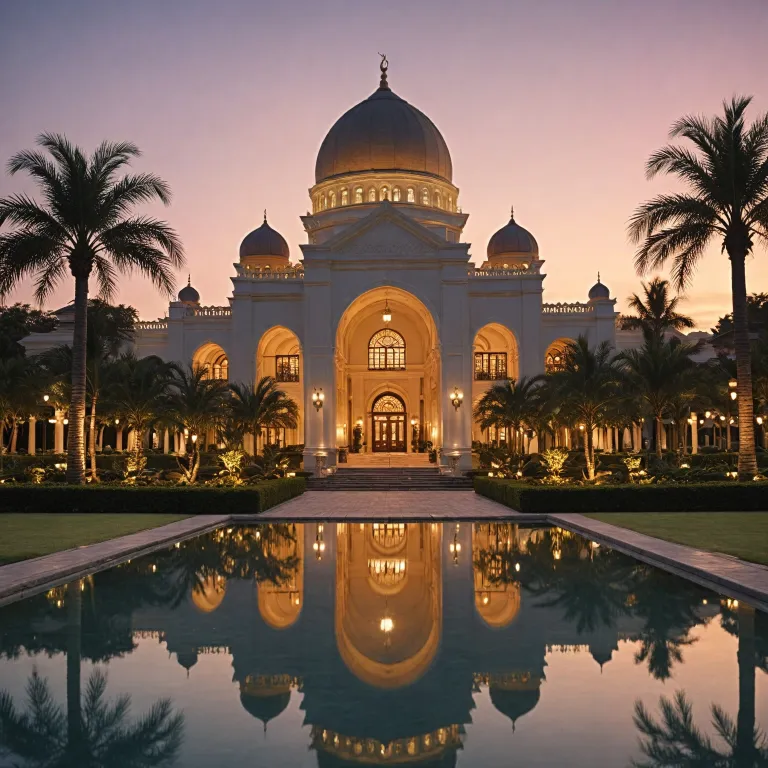
Understanding how safe Brunei is for luxury travel
Many travelers planning a premium stay in Brunei ask directly ; is Brunei safe for high end holidays and refined city breaks. The country presents a calm profile with low crime, orderly streets, and a strong Brunei Government framework that reassures visitors who value discretion and comfort. When you plan travel in Bandar Seri Begawan or coastal areas, it is important to balance this generally safe reputation with a clear understanding of local laws and cultural expectations.
Brunei is a small country with a reputation for stability, and most travelers experience a peaceful environment in both urban and rural areas. Official assessments describe Brunei as a low risk tourist destination, and the murder rate remains among the lowest in the region, which supports the perception that Brunei is generally safe for premium travel. Luxury guests who stay in leading hotels around Bandar Seri Begawan often comment on the quiet streets, visible Royal Brunei Police Force presence, and the respectful local culture that values order.
However, when you ask in detail ; is Brunei safe for every type of visitor, you must consider more than headline crime statistics. The implementation of sharia law and the sharia penal code has shaped the legal landscape, and some offenses carry severe penalties under both civil and religious provisions. Respecting local laws, understanding the penal code, and recognising the role of the royal family in governance will help travelers navigate the country with confidence and avoid unnecessary risk.
Local laws, sharia penal code, and what luxury guests must know
For travelers booking premium hotels, a key part of answering the question is Brunei safe lies in understanding how local laws operate in daily life. Brunei applies a dual system that combines common law with sharia provisions, and the sharia penal framework introduces strict penalties for certain moral and religious offenses. Visitors who stay in luxury properties in Bandar Seri Begawan or near Kampong Ayer rarely encounter legal problems, yet awareness of these rules is essential for a genuinely safe and comfortable trip.
The penal code and sharia penal regulations prohibit activities that might be tolerated in other travel destinations, including public intoxication, some expressions of intimacy, and proselytising. Same sex relationships and some behaviours related to religion can fall under the sharia penal code, and in extreme cases the death penalty may be prescribed, even if it is rarely applied in practice. Because alcohol is tightly controlled, many premium hotels limit service, so travelers who expect extensive bar offerings should confirm policies before they stay.
When you review travel advisories from your own department of state or equivalent state gov agency, you will see repeated emphasis on respecting local laws and customs. These travel state style advisories highlight that Brunei is generally safe regarding street crime, yet they underline the importance of avoiding behaviour that could breach sharia or the civil penal code. For a deeper look at how high end properties support guests with cultural guidance, you can read about the refined experience of online luxury hotel booking in Brunei at elevating your stay with curated luxury hotel services in Brunei, which explains how staff help travelers align with local expectations.
Personal safety, crime risk, and public security in urban areas
From a personal security perspective, many visitors asking is Brunei safe are reassured by the low levels of violent crime. Official data and international assessments describe Brunei as a low risk environment, and the Royal Brunei Police Force maintains a visible yet discreet presence in key public areas. Luxury travelers walking between high end hotels, waterfront restaurants, and shopping centres in Bandar Seri Begawan usually report feeling safe, even after dark.
Petty crime such as pickpocketing occurs but remains less common than in many regional capitals, which contributes to the view that Brunei is generally safe for both solo and family travel. High end hotels often provide secure access controls, in room safes, and concierge teams who can arrange trusted transport, further reducing risk for guests who stay in premium suites. Nevertheless, travelers should apply the same good habits they would use in any country, such as keeping valuables out of sight and avoiding poorly lit areas late at night.
When evaluating is Brunei safe for solo female travelers, the picture is nuanced but broadly positive, with many women reporting respectful treatment in public spaces. Solo female guests should dress modestly in line with local norms, especially in religious areas, and may feel more comfortable using hotel arranged taxis rather than hailing vehicles on the street. If any incident occurs, guests can contact hotel security or the Royal Brunei Police Force quickly, as luxury properties maintain up to date emergency numbers and have established procedures for liaising with public authorities.
Health, water quality, and environmental safety for premium stays
Health and environmental conditions are central to the question is Brunei safe, especially for travelers booking extended luxury stays. Brunei records a relatively high life expectancy and maintains air quality that is often rated in the good range, which indicates a generally healthy environment for visitors. Seasonal haze can occasionally affect visibility and respiratory comfort, so travelers with asthma or other conditions should review travel advisories and consult their doctor before they travel.
Tap water in many urban areas, including parts of Bandar Seri Begawan, is treated and considered safe to drink by local standards, yet some travelers prefer bottled water for taste and extra reassurance. Premium hotels usually provide complimentary bottled water in rooms and suites, while also confirming whether tap water in their specific property is suitable for direct consumption. When you ask is Brunei safe from a food hygiene perspective, you will find that high end restaurants and hotel kitchens follow strict standards, and the Ministry of Health conducts regular inspections.
Before you travel Brunei for a luxury break, it is wise to review recommended vaccinations and any specific entry requirements, such as yellow fever certificates for travelers arriving from affected countries. Comprehensive travel insurance is strongly advised, as even in a generally safe country unexpected illness, accidents, or natural disasters can disrupt a trip. Many international travel insurance providers cover Brunei, and guests should ensure their policy includes medical evacuation, cancellation cover for high value hotel bookings, and protection for expensive personal items.
Road safety, natural disasters, and movement around key areas
Road conditions and transport are another dimension of the question is Brunei safe for visitors staying in luxury hotels. The country has modern highways and well maintained urban roads, yet recent statistics show more than one thousand road accidents in a single year, which highlights that driving still carries risk. Travelers who are unfamiliar with local driving styles, road signage, and sharia influenced public behaviour may prefer to use hotel cars or reputable taxis rather than renting a vehicle.
Within Bandar Seri Begawan and the wider Brunei Muara district, traffic is usually manageable, but heavy rain can reduce visibility and create slippery surfaces. Luxury hotels often brief guests on safe routes, recommend trusted drivers, and advise avoiding certain areas during peak congestion or poor weather. When you travel Brunei to visit Kampong Ayer, the historic water village, you will likely use small boats, so wearing life jackets and following local safety instructions is important, even though accidents are rare.
Brunei is not known for frequent large scale natural disasters, and this contributes to its reputation as generally safe compared with some neighbouring countries. However, heavy storms, localized flooding, and occasional landslides in rural areas can still affect travel plans, especially for travelers exploring forest reserves or coastal areas. Good travel insurance that covers delays and disruptions, combined with monitoring travel advisories from your home department of state or equivalent state gov body, will help you respond calmly if conditions change during your stay.
Social norms, alcohol rules, and guidance for solo female travelers
Understanding social expectations is essential when assessing is Brunei safe for luxury guests who value both freedom and cultural respect. Brunei is a conservative Muslim country, and public behaviour is shaped by Islamic values, the influence of the royal family, and the framework of sharia law. Modest dress, polite conduct, and avoidance of public displays of affection are appreciated in most public areas, especially near mosques and government buildings.
Alcohol regulations are strict, and public consumption is heavily restricted, which can surprise travelers used to resort style nightlife in other destinations. Some international hotels may allow non Muslim guests to bring limited quantities of alcohol for private consumption, but bars and clubs are far less common than in many travel hotspots. This environment contributes to a calm, low crime nightlife scene that many travelers interpret as a sign that Brunei is generally safe, though it also means visitors seeking late night entertainment should adjust expectations.
Solo female travelers often ask is Brunei safe for independent exploration of Bandar Seri Begawan, Kampong Ayer, and nearby attractions. Many women report feeling comfortable walking in central areas during the day, especially when dressed modestly and following local customs, such as removing shoes before entering certain buildings. Hotels can arrange female friendly guides or drivers on request, and staff will encourage guests to contact reception or local authorities promptly if they ever feel unsafe, reinforcing a culture of proactive safety and support.
Planning luxury stays, insurance, and practical safety checklists
For travelers booking premium hotels, a structured approach helps turn the question is Brunei safe into a confident yes supported by practical measures. Before confirming reservations, review travel advisories from your department of state or equivalent travel state portal, paying attention to sections on local laws, sharia penal provisions, and any recent crime or health updates. Cross check this information with guidance from your chosen hotel, which can explain how local laws apply to guests and what safety protocols they maintain on site.
Comprehensive travel insurance is a cornerstone of responsible planning, even in a country that is generally safe and low risk. A good travel insurance policy should cover medical care at international standard clinics, emergency evacuation, trip cancellation for expensive suites, and liability in case of accidents during excursions. When you travel Brunei for high value stays, confirm that your insurer recognises Brunei as a covered destination and that coverage extends to activities such as boat trips to Kampong Ayer or guided forest walks.
Finally, create a simple safety checklist that includes saving hotel contact details, local emergency numbers, and the website of the Brunei Government for official updates. Note the locations of nearby clinics approved by the Ministry of Health, confirm whether tap water is safe to drink in your property, and ask staff about any areas to avoid at night. By combining respect for local laws, awareness of sharia and the penal code, and sensible precautions supported by travel insurance, luxury travelers can enjoy Brunei as a serene, culturally rich, and generally safe destination.
Key safety statistics for travelers in Brunei
- Road safety data indicate more than one thousand road accidents recorded in a recent year, underscoring the value of cautious driving and professional transfers.
- The recorded murder rate remains well below one incident per one hundred thousand people, supporting Brunei’s classification as a low risk destination.
- Average life expectancy exceeds seventy years, while air quality is frequently assessed in the good range, reflecting strong public health and environmental standards.
Essential FAQs about safety in Brunei
Is Brunei safe for tourists staying in luxury and premium hotels ?
Yes, Brunei is considered a low risk tourist destination with low crime rates and high safety standards. Luxury and premium hotels in Bandar Seri Begawan and other areas maintain strong security protocols, discreet surveillance, and trained staff who can liaise quickly with the Royal Brunei Police Force if needed. Guests who respect local laws, follow hotel guidance, and use reputable transport providers generally experience a calm and secure stay.
What should travelers know about crime and personal safety in Brunei ?
Brunei has low crime rates, including a murder rate of 0.5 per 100,000 people. Street crime such as pickpocketing occurs but is less common than in many regional capitals, and public areas around major hotels are usually well lit and monitored. Travelers should still apply standard precautions, such as safeguarding valuables, avoiding isolated locations late at night, and contacting hotel security or police promptly if any incident occurs.
Are there any health or environmental concerns that affect hotel guests ?
Brunei has a high life expectancy of 74.3 years and maintains good air quality, indicating a healthy environment. Seasonal haze can occasionally affect air quality, and travelers with respiratory conditions should monitor advisories and carry necessary medication. High end hotels work closely with the Ministry of Health to maintain hygiene standards, provide safe food and water, and support guests in accessing medical care if required.