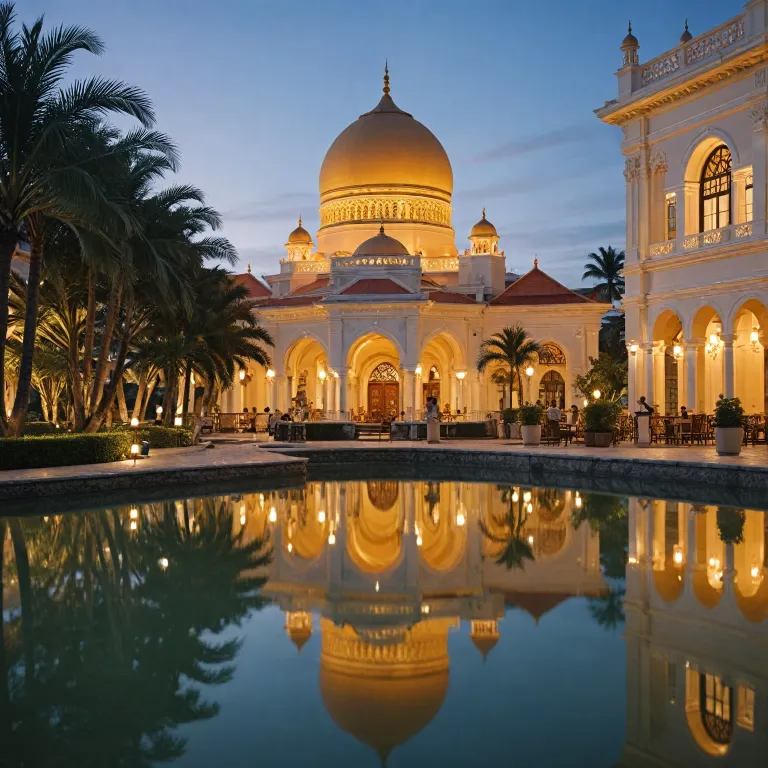
Luxury perspectives on seri begawan as Brunei’s royal capital
In Brunei Darussalam, the capital city of Bandar Seri Begawan blends royal heritage with understated luxury. The former Brunei Town was renamed Bandar Seri Begawan to honour Sultan Omar Ali Saifuddien III and signal a modern capital, which still shapes how premium travellers experience the city centre today. For guests comparing seri begawan with regional hubs such as Kota Kinabalu, the quieter pace, strong Malay identity, and riverside setting along the Brunei River create a different kind of luxury.
The city stretches across 100.36 km², yet its main attractions cluster around the compact city centre and the historic water village of Kampong Ayer. Many luxury and premium hotel booking platforms now highlight how close each property is to the Omar Ali Saifuddien Mosque, the Brunei River promenade, and the traditional water village, because these landmarks define the essence of begawan Brunei. When evaluating options, travellers should look for clear maps that show walking distances to the mosque, the riverfront, and the bus terminal that anchors the main bus routes.
High end guests often arrive expecting only palaces and mosques, but seri begawan also offers subtle experiences on the water and in the old quarters of Kota Batu. A private sunset cruise on the Brunei River, passing Kampong Ayer and the gleaming dome of the Saifuddien Mosque, can be arranged directly through some hotel concierges or via curated booking websites. This combination of river, mosque, and Malay stilt houses gives Bandar Seri its distinctive character within Brunei Darussalam and sets a refined stage for premium stays.
Choosing the right area in bandar seri begawan for a premium stay
For most visitors, the first decision is whether to stay near the city centre, by the Brunei River, or closer to Kampong Ayer and Kota Batu. Properties in the heart of bandar seri begawan place guests within a short walk of the Omar Ali Saifuddien Mosque, the main bus terminal, and key government buildings linked to Sultan Hassanal Bolkiah. This central location suits travellers who want quick access to the bus network, shopping arcades, and evening strolls around the illuminated mosque and riverfront.
Riverside hotels emphasise views over the water village, where Kampong Ayer stretches across the water as a living Malay settlement. From these rooms, people can watch water taxis glide between jetties, see families move between houses on stilts, and appreciate how the city and water remain intertwined. Booking platforms that clearly show whether a room faces the river, the mosque, or the wider bandar skyline help guests align expectations with the premium rates often charged for these panoramas.
Further east, the Kota Batu area appeals to travellers interested in museums and quieter surroundings, while still remaining within easy reach of bandar seri begawan by main bus or water taxi. Some luxury and premium properties here market themselves as gateways to Brunei’s cultural story, highlighting proximity to heritage sites and the legacy of Sultan Omar Ali Saifuddien III and Sultan Hassanal Bolkiah. When comparing listings, look for detailed neighbourhood descriptions that mention the Brunei River, Kampong Ayer, and the city’s Malay roots, rather than vague references to an unspecified brunei town.
How seri begawan’s heritage shapes luxury hotel expectations
Bandar Seri Begawan’s identity as the capital of Brunei Darussalam is inseparable from its royal and religious landmarks, which strongly influence luxury hotel design and service. Many premium properties reference the golden dome of the Omar Ali Saifuddien Mosque in their interiors, using soft gold, white marble, and water inspired features to echo the mosque’s lagoon setting. When browsing a booking website, guests should look for photography that shows how the hotel frames views of the mosque, the Brunei River, and the surrounding city.
The presence of Kampong Ayer, often described as the world’s largest water village, also shapes expectations for authentic experiences. High end travellers increasingly ask for curated excursions by water taxi, guided walks through the kampong, and storytelling about Malay traditions that predate the renaming of Brunei Town to bandar seri begawan. Quality booking platforms now highlight whether hotels can arrange private water taxis, small group visits to Kampong Ayer, or cultural encounters that respect local people and their daily life on the water.
Royal heritage remains another defining element, with references to Sultan Hassanal Bolkiah and earlier rulers such as Sultan Omar Ali Saifuddien III appearing in museum exhibits and hotel narratives. Some properties in the city centre offer easy access to ceremonial routes, royal museums, and the administrative heart of begawan Brunei, which appeals to guests interested in governance and history. For discerning travellers, the most compelling listings are those that connect the dots between mosque, river, kampong, and palace, presenting seri begawan as a coherent luxury destination rather than just another small city.
Navigating transport, water access, and city logistics for hotel guests
Understanding how people move around bandar seri begawan is essential when choosing a luxury or premium hotel. The compact capital relies on a modest bus system centred on the main bus terminal, which links the city centre with residential districts and nearby areas such as Kota Batu. Booking websites that clearly indicate walking times to the bus terminal, availability of hotel shuttles, and proximity to water taxi jetties give travellers a more realistic sense of convenience.
Because the Brunei River cuts through the city, water plays a practical and experiential role in daily life. Water taxis operate between the city centre and Kampong Ayer, and some hotels maintain relationships with trusted water taxi operators to arrange private transfers or sunset cruises. When evaluating listings, guests should check whether the property offers direct river access, a nearby jetty, or organised excursions that showcase the water village and wider brunei river environment.
Road links to regional gateways such as Kota Kinabalu matter for multi destination itineraries, even though most luxury travellers arrive directly into Brunei Darussalam by air. Some premium hotels in bandar seri begawan highlight concierge support for overland transfers, cross border trips, or day excursions beyond the immediate city. Clear information about transport options, from main bus routes to private cars and water taxis, helps guests match their expectations with the quiet, measured rhythm of begawan Brunei.
Evaluating luxury and premium hotel listings with E-E-A-T in mind
For seri begawan, the most reliable luxury hotel booking websites apply strong principles of credibility, expertise, authority, and trustworthiness. Detailed property descriptions should mention concrete landmarks such as the Omar Ali Saifuddien Mosque, the Saifuddien Mosque lagoon, Kampong Ayer, and the Brunei River, rather than generic claims about a central location in brunei. When a listing explains how far the hotel is from the city centre, the bus terminal, and the main water taxi points, it signals a commitment to accurate, guest focused information.
High quality platforms also contextualise bandar seri begawan within Brunei Darussalam, noting its role as capital and cultural centre, and sometimes referencing the leadership of Sultan Hassanal Bolkiah and the legacy of Sultan Omar Ali Saifuddien III. Trustworthy reviews will often describe real experiences, such as watching water taxis cross between the city and Kampong Ayer, or walking from the hotel to the mosque at evening prayer time. In line with Google’s Helpful Content guidelines, the best reviews and editorial pieces focus on what people actually felt and did, not just on star ratings.
Another sign of authority is how a website handles the history of bandar seri begawan and its evolution from Brunei Town. A credible platform might note that “Brunei Town was renamed Bandar Seri Begawan on October 4, 1970, in honor of Sultan Omar Ali Saifuddien III.” This kind of precise, verifiable detail reassures travellers that the same care is taken when describing room categories, river views, and access to the wider city.
Designing meaningful itineraries around seri begawan’s hotels
Once a luxury or premium hotel in bandar seri begawan is booked, the next step is to shape an itinerary that makes full use of the location. Many guests start at the Omar Ali Saifuddien Mosque, then continue on foot through the city centre towards the Brunei River promenade, where they can arrange a water taxi to Kampong Ayer. From there, a guided walk through the water village reveals how Malay culture, river trade, and royal history have long intersected in begawan Brunei.
Another day might focus on museums and heritage sites in Kota Batu, reached by main bus, private car, or a combination of road and river transport. Here, visitors can deepen their understanding of Brunei Darussalam, the role of Sultan Hassanal Bolkiah, and the earlier reforms of Sultan Omar Ali Saifuddien III, before returning to the calm of their city hotel. In the evening, some properties arrange river cruises that pass the illuminated Saifuddien Mosque and the stilt houses of Kampong Ayer, offering a refined way to experience the water and skyline.
Thoughtful booking platforms now present sample itineraries that link hotel locations with these key experiences, helping people visualise how their days in seri begawan will unfold. By clearly mapping connections between the bus terminal, water taxis, the city centre, and outlying districts such as Kota Batu, they turn a compact capital into a richly layered destination. For travellers who value both comfort and cultural depth, this integrated approach to bandar seri begawan transforms a simple hotel stay into a meaningful journey through Brunei’s royal heart.
Key statistics about bandar seri begawan for luxury travellers
- The population of Bandar Seri Begawan is approximately 72,133 people, supporting a compact yet vibrant capital city.
- The area of Bandar Seri Begawan covers about 100.36 km², which keeps major attractions within manageable distances for visitors.
Essential questions about bandar seri begawan stays
Why was Brunei Town renamed Bandar Seri Begawan?
Brunei Town was renamed Bandar Seri Begawan to honour Sultan Omar Ali Saifuddien III’s contributions to Brunei’s modernisation and the development of the Melayu Islam Beraja philosophy, a change that also reinforced national identity. This renaming continues to influence how the capital presents itself to travellers seeking meaningful luxury experiences. Understanding this context helps guests appreciate why royal and religious landmarks are central to premium stays in the city.
What are the main attractions in Bandar Seri Begawan?
The main attractions in Bandar Seri Begawan include the Omar Ali Saifuddien Mosque, the extensive water village of Kampong Ayer, and key cultural institutions such as the national museum in the wider kota batu area. Many luxury hotels and booking platforms highlight these sites because they sit close to the city centre and the Brunei River, making them easy to reach by foot, main bus, or water taxi. For high end travellers, combining these landmarks with curated river experiences and refined hotel services creates a balanced seri begawan itinerary.
What is the significance of Kampong Ayer?
Kampong Ayer is significant as a vast water village built on stilts above the Brunei River, representing centuries of Malay river based life that predate the modern capital. Its scale and continuity make it a living heritage site, often described as the world’s largest stilt settlement, and a focal point for cultural tourism in bandar seri begawan. Premium travellers who arrange respectful visits by water taxi gain insight into how people have adapted to the river environment while remaining closely linked to the royal and administrative heart of Brunei Darussalam.
References : Brunei Tourism Board ; Brunei Darussalam Statistics Department ; Brunei Museums Department.