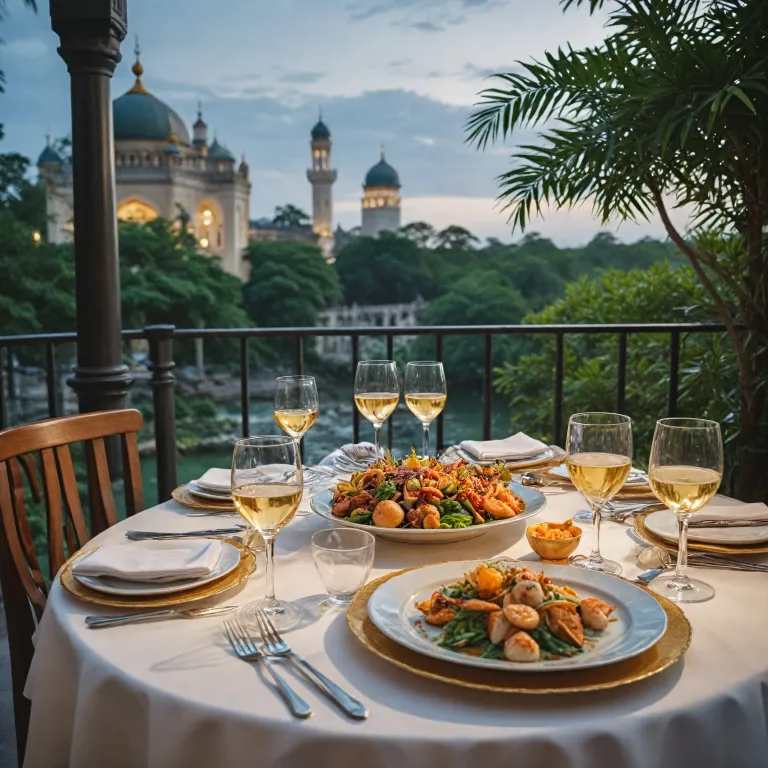
Culinary heritage of food in Brunei Darussalam for luxury travellers
Food in Brunei Darussalam reflects a graceful blend of Malay, Chinese, and Indian influences. This rich culinary heritage shapes every traditional food experience, from a humble rice bowl to elaborate festive dishes served in premium hotel restaurants. For guests choosing a luxury hotel in Brunei, understanding this background elevates each dish beyond simple nourishment.
Bruneian Malays remain central culinary influencers, guiding how rice, chicken, and coconut milk are combined with spices to create comforting food. Alongside them, the Chinese community in Brunei brings wok based fried dishes, refined sauce pairings, and the popularity of the modern chinese restaurant in urban districts. The Indian community in Brunei adds aromatic chicken beef curries, breads, and teas that sit gracefully beside local favorites on many hotel menus.
In Bandar Seri Begawan, the capital of Brunei Darussalam, many premium properties curate menus that mirror this national tapestry. Guests can sample ambuyat, the national dish, in both traditional food settings and contemporary fine dining rooms that frame the river view like an elegant window. Ambuyat is Brunei's national dish made from sago starch, characterized by its sticky texture and typically eaten with a tangy sauce. Luxury hotels often pair ambuyat with refined side dishes such as fried fish, vegetables with shrimp paste, and small plates of dried shrimp sambal.
Rice remains the quiet anchor of food Brunei culture, appearing as steamed rice, fragrant rice cake, or crisp fried rice alongside grilled or fried chicken. Coconut and shredded coconut enrich desserts, while palm sugar syrups lend depth to kueh and other small sweets. For travellers, this interplay of ingredients means every meal can become a curated tasting of Brunei, whether enjoyed in a hotel lounge or an acclaimed city restaurant.
Signature dishes and where luxury guests can taste them
For travellers booking premium hotels, food in Brunei Darussalam quickly becomes a highlight rather than a simple necessity. Many five star properties in Bandar Seri Begawan design site specific tasting menus that guide guests through classic dishes in a refined, comfortable setting. This approach suits visitors who want to explore local food while maintaining the service standards expected from an international luxury stay.
Ambuyat often appears as the centrepiece of such menus, served with a selection of tangy sauce options and carefully balanced side dishes. Guests may be offered half portions to sample alongside grilled or fried fish, vegetables scented with shrimp paste, and small bowls of dried shrimp relishes. In some hotel restaurants, chefs explain how bamboo chopsticks are used to twirl the sticky ambuyat, turning the meal into a cultural experience as well as a flavorful one.
Beyond ambuyat, nasi katok style fried chicken with rice is elevated through premium ingredients and precise frying techniques. A luxury hotel restaurant might serve this beloved food Brunei staple with refined coconut milk gravies, crisp salads, and kueh desserts sweetened with palm sugar. Travellers who prefer Chinese flavors can reserve a table at an in house chinese restaurant, where chicken beef stir fries, fried rice, and yam based dishes are plated with contemporary elegance.
When planning a refined stay, guests can consult dedicated guides such as this resource on planning a refined stay in a hotel in Brunei Darussalam. These references help align room choices, restaurant reservations, and even spa appointments with the best dining times. Coordinating meal times with sunset views or river cruises allows each dish, from rice cake snacks to full tasting menus, to feel like part of a seamless luxury itinerary.
Street flavors, markets, and how hotels curate them for guests
While premium hotels in Brunei offer polished dining rooms, many travellers also want to taste food in Brunei Darussalam as locals enjoy it. Night markets such as Pasar Gadong present stalls filled with fried chicken, grilled seafood, kueh, and steaming rice dishes, all prepared in small batches. The aromas of coconut milk, palm sugar, and sizzling shrimp paste create a vivid atmosphere that contrasts with the calm of a luxury lobby.
Recognising this desire, several high end properties now curate guided excursions to markets, then translate those flavors back into hotel kitchens. A concierge might arrange a short drive to a favorite market, where guests sample traditional food like ambuyat, yam fritters, and rice cake snacks with sweet sauce. Returning to the hotel, chefs may offer a special menu that reinterprets these dishes with refined plating and carefully controlled spice levels.
For visitors who prefer to stay within the comfort of their hotel, some properties host themed evenings that bring street food Brunei flavors indoors. Live stations prepare fried fish, fried rice, and chicken beef skewers, while dessert counters highlight kueh layered with shredded coconut and palm sugar syrup. Teh tarik, the beloved pulled tea, is often prepared in front of guests, its creamy foam and balanced sweetness pairing beautifully with small sweets.
To navigate between markets, waterfront promenades, and hotel districts, travellers can use resources such as this guide to elegant ways to read a map of Brunei for luxury hotel planning. Understanding distances and traffic patterns helps guests choose the best time to leave their hotel and when to return for evening dining. In this way, each restaurant visit, whether to a market stall or a sophisticated chinese restaurant, becomes a well orchestrated part of the journey.
In room dining, tea rituals, and quiet culinary moments
For many luxury travellers, some of the most memorable food in Brunei Darussalam is enjoyed in the privacy of a well appointed room. After a day exploring Bandar Seri Begawan, guests may prefer a quiet meal by the window, watching the city lights reflect on the river. In this intimate setting, even a simple dish of steamed rice, fried chicken, and vegetables with shrimp paste can feel indulgent.
Premium hotels increasingly design site specific in room menus that highlight local dishes alongside international comfort food. Guests might order ambuyat with a selection of side dishes, half sized portions of fried fish, or small plates of kueh topped with shredded coconut and palm sugar. Many properties also offer teh tarik service, where the creamy tea is poured theatrically before being placed beside a plate of rice cake or yam based sweets.
These quiet culinary moments suit travellers who value privacy, or those adjusting to new time zones and prayer times. A guest may request breakfast at an unusual time, receiving coconut milk infused rice porridge, grilled chicken, and fresh fruit arranged with understated elegance. For late evenings, light dishes such as salads, small fried snacks, and traditional food desserts allow guests to unwind without a heavy meal.
Some hotels integrate digital conveniences, allowing guests to order via a site WordPress interface or dedicated app linked to the property’s design site. While the technical layer remains invisible to most visitors, it ensures that food Brunei specialties, international dishes, and beverages arrive promptly and at the correct temperature. This blend of local flavor, attentive timing, and discreet technology reflects the broader hospitality philosophy that defines high end stays in Brunei.
Planning refined stays around Bruneian cuisine and hotel locations
Thoughtful travellers often plan their hotel bookings around access to the best food in Brunei Darussalam. In Bandar Seri Begawan, riverside properties place guests close to both refined hotel restaurants and lively markets, allowing easy movement between polished and casual dining. Selecting a hotel that balances location, culinary reputation, and service standards ensures that every meal contributes meaningfully to the overall stay.
When evaluating options, guests can look beyond room size and spa facilities to examine restaurant concepts, chef profiles, and sample menus. A property that highlights ambuyat, fried chicken specialties, and seasonal seafood dishes with coconut milk sauces demonstrates commitment to authentic food Brunei experiences. Hotels that collaborate with local producers for rice, dried shrimp, and palm sugar also tend to offer fresher, more nuanced flavors.
Online resources help refine these choices, especially for travellers unfamiliar with Brunei. Guides such as this article on elegant stays in Brunei Seri Begawan for discerning travellers provide insight into which properties excel at culinary offerings. Reading about restaurant concepts, signature dishes, and guest feedback allows visitors to align their expectations with the reality of each hotel’s food program.
Once a hotel is selected, guests can coordinate reservations for the main restaurant, a chinese restaurant partner, or nearby independent venues. Planning ahead is especially important during peak travel periods, when the best tables and time slots fill quickly. By aligning sightseeing, prayer times, and dining windows, travellers ensure that each dish, from small kueh to elaborate chicken beef feasts, fits smoothly into a relaxed, luxurious schedule.
Digital details, cultural etiquette, and practical tips for gourmet stays
Behind the scenes, many premium hotels in Brunei rely on digital platforms to present menus and manage reservations for food in Brunei Darussalam. Some properties run a site WordPress installation to showcase restaurant photography, seasonal dishes, and special events in a visually appealing design site layout. Guests browsing from abroad can review rice based specialties, fried fish options, and dessert selections before finalising their bookings.
When contacting hotels, travellers may use email, print ready confirmations, or messaging apps to clarify dietary needs and preferred dining time. It is wise to mention preferences regarding spice levels, shrimp paste, or dried shrimp, especially for guests with allergies or specific tastes. Clear communication ensures that traditional food dishes, from ambuyat to fried chicken, arrive at the table aligned with each guest’s comfort.
Cultural etiquette also shapes how food Brunei experiences unfold in both hotel and city restaurant settings. As Brunei is an Islamic state, pork and alcohol are not served, and guests are expected to dress modestly in public dining areas. Respecting prayer times, being patient if service pauses briefly, and handling shared dishes of rice, side dishes, and kueh with consideration all contribute to a gracious atmosphere.
Finally, travellers should remain attentive to small details that enhance comfort, such as requesting a table near a window that opens window views onto the river or gardens. Choosing half portions when sampling many dishes allows room for desserts featuring coconut, shredded coconut, and palm sugar without feeling overwhelmed. By blending cultural awareness, digital convenience, and thoughtful planning, guests can enjoy every aspect of Bruneian cuisine while staying in some of the country’s finest hotels.
Key figures about the food market in Brunei Darussalam
- Revenue in the overall food market is projected to reach about 828.04 million USD.
- Per person revenue in the food market is estimated at approximately 1 780 USD.
- Revenue in the meat market segment is expected to reach around 149.94 million USD.
Frequently asked questions about food in Brunei Darussalam
What is Ambuyat?
Ambuyat is Brunei's national dish made from sago starch, characterized by its sticky texture and typically eaten with a tangy sauce.
Is alcohol available in Brunei?
As an Islamic state, Brunei prohibits the sale and public consumption of alcohol. Travellers staying in luxury hotels should not expect alcohol service in restaurants, minibars, or room dining, and can instead focus on beverages such as fresh juices and teh tarik.
What are common ingredients in Bruneian cuisine?
Common ingredients include fresh seafood, coconut milk, rice, and a variety of spices. These are often combined with palm sugar, shredded coconut, dried shrimp, and shrimp paste to create layered flavors in both savory dishes and desserts served across Brunei Darussalam.