The petro-state paradox: can luxury in Brunei be truly sustainable ?
Brunei Darussalam sells itself as a quiet sanctuary where rainforest meets refinery lights across the bay. The country now places brunei sustainable tourism at the centre of its tourism development narrative, yet the visitor economy still sits inside an oil and gas–driven system backed by sovereign wealth. For business leisure travellers, the question is simple but sharp ; can a petro-state credibly offer eco tourism experiences that feel both genuinely sustainable and genuinely luxurious.
The government’s tourism initiatives are framed around high value, low volume travel, with the Brunei Tourism Development Department steering tourism practices toward conservation and cultural heritage protection. Officially, Brunei’s approach to sustainable tourism is clear and ambitious ; “Brunei emphasizes eco-friendly practices, cultural preservation, and community involvement in tourism,” as outlined in its national tourism strategy and sustainable development briefings. That statement aligns with the wider push for low-impact growth, but the test for tourism Brunei is whether these initiatives translate into concrete, measurable tourism sustainable outcomes at the property level.
On the ground, the contrast is striking when you explore the capital’s waterfront at dusk, where the golden mosque domes glow while water taxis skim past Kampong Ayer’s stilted homes. This is where responsible tourism either respects the local community or turns it into a backdrop for social media, depending on how visitors and hotels behave. Luxury travellers who care about the environment should look for tourism initiatives that channel revenue into local livelihoods, support locally sourced materials and services, and minimise energy waste through verifiable eco friendly practices.
Brunei’s forest cover, which still blankets around four fifths of the country, gives the tourism industry a rare natural asset. That natural abundance underpins every serious conversation about green tourism and tourism development here, from Ulu Temburong National Park to the coastal reserves near Berakas. According to regional forestry and UN environment assessments, approximately 80 percent of Brunei Darussalam remains under forest cover, one of the highest proportions in Asia, reinforcing the country’s potential for nature based tourism. Yet without robust tourism practices Brunei wide, including transparent reporting on emissions, waste, and water use, the risk is that sustainable tourism becomes a slogan rather than a standard.
For now, the most credible brunei sustainable experiences tend to be small scale and tightly linked to the local environment. Eco tourism lodges and premium river lodges in Temburong, for example, build their offers around guided walks that interpret flora fauna, low impact river activities, and community led cultural encounters. When you book, ask directly how your stay supports local livelihoods, what eco practices are in place, and whether the property participates in any recognised responsible tourism certification schemes such as EarthCheck, Green Key, or GSTC-aligned national labels.
Where luxury meets off grid: properties leading Brunei’s green shift
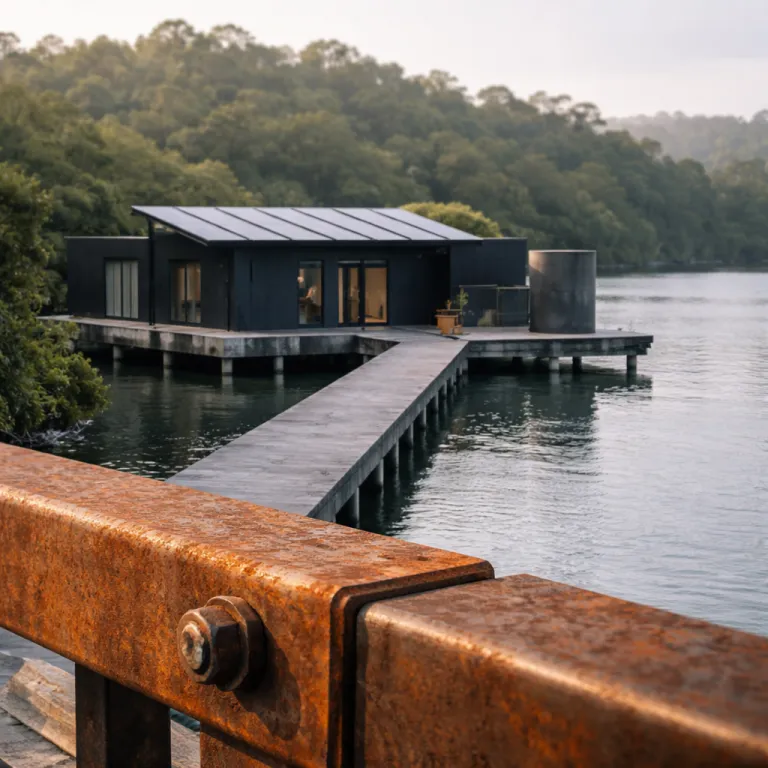
The most convincing case for brunei sustainable tourism right now is being made not in boardrooms, but in a handful of properties that treat sustainability as design principle rather than marketing line. The Abode Resort & Spa is the clearest example, a serene abode that operates on a predominantly solar powered system while still delivering polished service and refined comforts. For executives extending a business trip, this kind of eco friendly retreat offers a rare combination ; credible green tourism intentions and a calm, contemporary environment for decompression.
At The Abode Resort & Spa, sustainable tourism is woven into daily operations, from energy systems to locally sourced ingredients on the table. The property’s tourism initiatives include environmental education for guests, gentle guided walks that highlight local flora fauna, and partnerships with nearby communities that keep tourism development benefits close to home. According to the resort’s own sustainability communications, a fully off grid solar array is used as the primary power source, supplemented by backup systems during periods of low generation. These tourism practices Brunei side illustrate how a luxury stay can reduce its footprint through measures such as on site renewables, basic waste separation, and water saving fixtures while still offering a high touch experience that feels aligned with responsible tourism values.
Further east in Temburong, Sumbiling Eco Village has become a reference point for community based eco tourism in Brunei Darussalam. Here, the experience is intentionally simple but rich ; longhouse style accommodation, river bathing, and cultural activities led by the local community, all framed by the dense natural forest that still defines this part of the country. For travellers used to marble lobbies, Sumbiling’s offers may feel rustic, yet the project’s focus on local livelihoods and sustainable development makes it a vital counterweight to more conventional tourism industry models.
These properties sit within a broader ecosystem of eco friendly options that are slowly emerging across tourism Brunei, from farm to table dining rooms using locally sourced produce to coastal retreats experimenting with low impact construction. For a curated overview of the most exclusive eco friendly hotels and resorts, our guide to Brunei’s most exclusive eco friendly hotels for sustainable luxury stays maps where luxury and sustainability currently intersect most convincingly. Each of these stays turns the natural environment into a quiet protagonist, whether through views over mangrove lined rivers or access to protected forest corridors.
When evaluating options, look beyond the word eco on the website and interrogate the details of tourism sustainable claims. Ask how waste is managed, how much energy is renewable, and how the property measures its impact on the surrounding environment and community. The most serious actors in brunei sustainable tourism will be transparent, specific, and willing to discuss both achievements and remaining challenges in their tourism practices, ideally supported by third party audits or recognised certification.
Inside the roadmap: what Brunei’s sustainability agenda means for your stay
Brunei’s tourism roadmap sets out to position the country as a niche, high value destination where sustainable tourism underpins every new project. The Brunei Tourism Development Department talks about eco tourism, cultural heritage preservation, and community based tourism as pillars of future tourism development, with a clear emphasis on protecting the natural environment. For travellers, the roadmap matters because it will shape which tourism initiatives receive support, from national park concessions to urban riverfront regeneration.
One headline commitment is to keep tourism Brunei growth aligned with conservation, particularly in areas like Ulu Temburong National Park and the coastal forests near Berakas. Agreements for eco friendly resorts in these zones are framed around low density construction, strict limits on clearing, and tourism practices Brunei wide that prioritise minimal disturbance to flora fauna. If implemented rigorously, such tourism sustainable frameworks could make the country a serious contender in the global green tourism conversation.
The roadmap also leans heavily on cultural heritage as a differentiator, positioning Kampong Ayer, royal ceremonial spaces, and Islamic architecture as anchors for responsible tourism. In practice, that means tourism initiatives which channel visitor flows into guided experiences that respect local customs, support local livelihoods, and avoid turning sacred spaces into theme parks. When you explore these areas, choose operators who employ local guides, use locally sourced crafts and food, and explain how your spend circulates within the community.
Yet gaps remain, especially around carbon accounting, plastic reduction, and independent verification of sustainable development claims. Unlike destinations such as Costa Rica or Bhutan, where national branding around eco tourism is backed by decades of policy and certification, Brunei Darussalam is still building its measurement systems. A recent UN Tourism data and sustainability workshop hosted in the country, which gathered participants from across Asia Pacific, is a promising sign that the tourism industry is starting to take tourism practices and impact tracking more seriously.
For the business leisure traveller, the roadmap’s real value lies in the choices it will create over the next decade. Expect more eco friendly accommodation options, more thoughtfully curated nature based excursions, and a clearer distinction between properties that treat brunei sustainable tourism as core strategy and those that use it as a decorative label. Our guide on why you should visit Brunei for a refined stay in Bandar Seri Begawan already highlights early movers that align with these tourism development priorities.
How to book like it matters: practical choices for responsible luxury
Turning the ideals of brunei sustainable tourism into reality starts with how you book and behave. Begin by filtering your options through three lenses ; impact on the environment, contribution to the local community, and authenticity of the experience. This approach helps you align your travel with responsible tourism principles without sacrificing comfort or service.
On the environmental side, prioritise properties that can demonstrate concrete eco friendly measures, from renewable energy use to water saving systems and serious waste management. Ask whether the hotel tracks its energy consumption, how it handles plastics, and whether it has any third party green tourism certification or is working toward one. In a country where the wider economy is still oil based, these tourism initiatives signal a genuine commitment to sustainable development rather than surface level branding.
Community impact is equally critical, especially in a compact country where tourism industry decisions quickly touch local livelihoods. Choose operators who employ local staff in meaningful roles, source food and materials locally, and support cultural heritage projects or environmental education in nearby schools. When you explore national park areas or riverine villages, opt for guides from the local community, whose knowledge of flora fauna, seasonal rhythms, and customs will deepen your experience while keeping tourism sustainable benefits close to home.
Finally, consider how each stay fits into the broader story of tourism Brunei and practices Brunei wide. A night at an off grid abode in Temburong followed by a refined city hotel that has strong eco tourism credentials can create a balanced itinerary that reflects both the natural and urban sides of the country. By asking precise questions, rewarding transparent tourism practices, and sharing feedback with properties that are genuinely trying to evolve, you become part of the quiet shift toward a more sustainable tourism model in Brunei Darussalam.
Key figures shaping sustainable luxury travel in Brunei
- Tourism contributes around 9 percent to Brunei’s Gross Domestic Product, a modest share that underscores both the growth potential of the tourism industry and the importance of guiding tourism development along sustainable tourism lines (ResearchGate, qualitative evaluation of ecotourism in Brunei Darussalam, citing national accounts data from the Department of Economic Planning and Statistics).
- Approximately 80 percent of Brunei Darussalam remains under forest cover, one of the highest proportions in Asia, giving the country a powerful natural foundation for eco tourism and green tourism experiences that can be designed with minimal impact on the environment (based on figures reported in regional forestry and UN environment assessments, including FAO Global Forest Resources Assessment summaries).
- Ulu Temburong National Park protects a significant slice of primary rainforest, and access is tightly controlled through river transport and guided visits, which helps keep tourism sustainable while supporting local livelihoods in surrounding communities through licensed boat operators and local guides.
- The Abode Resort & Spa uses a fully off grid solar array as its primary power source, making it a flagship example of how an upscale abode can integrate renewable energy into daily operations and set a benchmark for eco friendly tourism practices in the country, according to the resort’s published sustainability information and media coverage.
- Sumbiling Eco Village functions as a community based eco tourism model, where income from visitors flows directly into the local community, reinforcing cultural heritage and demonstrating how responsible tourism can support both conservation and economic resilience when combined with transparent benefit sharing.