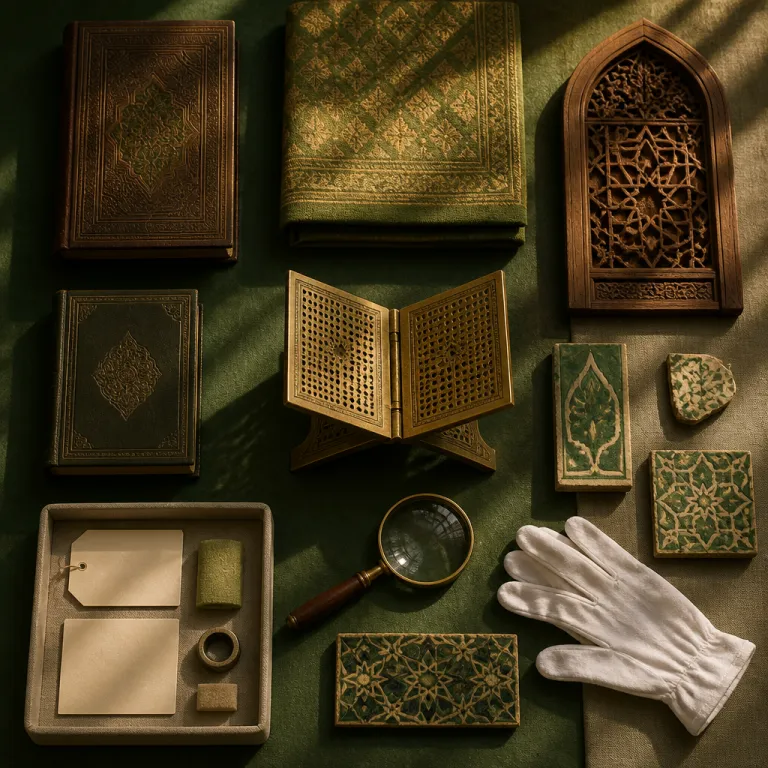
Balai Khazanah Islam: the quiet powerhouse of Islamic art
The Balai Khazanah Islam Sultan Haji Hassanal Bolkiah sits just outside central Bandar Seri Begawan, yet many luxury travelers still treat it as a secondary museum stop. This is a mistake, because this royal Islamic museum holds a depth of islamic art that quietly rivals far larger museums in the region and reshapes how you read Brunei’s place in the story of faith, power, and aesthetics. For guests booking premium stays in the capital, weaving this brunei islamic art museum into your itinerary adds a layer of culture that no infinity pool can match.
At its core, the Balai Khazanah Islam is a brunei museum built around the personal collection of His Majesty Sultan Haji Hassanal Bolkiah, and that royal provenance changes everything. Instead of a generic national museum display, you move through nine carefully curated galleries where each object feels chosen, not merely catalogued, and the narrative of history islamic scholarship and power is told through one family’s lens. For travelers used to the blockbuster art museum experience in Singapore or Kuala Lumpur, the intimacy here feels almost private, like stepping into a palace library that happens to be open to the public.
The institution’s stated mission is clear and ambitious : "What is the Balai Khazanah Islam? A center housing Brunei's royal Islamic art collection." That clarity of purpose shows in the way the museum balai uses modern preservation technology and digital cataloging to protect fragile manuscripts while still allowing close viewing. Luxury travelers who value context will appreciate how the galleries quietly position Brunei not as a peripheral malay state, but as a serious custodian of islamic culture in Southeast Asia.
Inside the royal collections: what sets this museum apart
Step into the first gallery and the tone is unmistakably royal, with gifts presented to the sultan from leaders across the islamic world forming a glittering opening chapter. These collections range from Qur’ans written in gold on indigo paper to ceremonial swords, textiles, and diplomatic gifts that trace how islam sultan networks shaped Brunei’s foreign relations. Unlike many national museums where objects feel detached from living power, here every case whispers of audiences, banquets, and the quiet choreography of statecraft.
The heart of the brunei islamic art museum is its manuscripts and calligraphy, which place Brunei in the same conversation as heavyweight islamic art institutions in Istanbul or Doha. Illuminated pages show the evolution of history islamic scholarship, while marginal notes in malay and Arabic hint at the region’s intellectual traffic with Aceh, Patani, and even Singapore’s early trading elites. Because much of this material comes from the sultan’s personal collection, the curators can showcase islamic objects rarely seen elsewhere, from early prayer instruments to intricately worked metalwork that once sat in private palace spaces.
Architecture enthusiasts will notice how the building itself, created through a pei partnership with international designers, frames the art without overwhelming it. Light wells and controlled sightlines guide you from one art gallery to the next, creating a rhythm that feels more like a contemplative walk than a checklist of museums to conquer. For travelers staying at high end properties highlighted in our guide to new luxury openings in Brunei, this balance of design, technology, and devotion offers a cultural counterpoint to the polished marble of your hotel lobby.
Planning your visit: timings, etiquette, and luxury logistics
For a smooth visit to the brunei islamic art museum, timing matters almost as much as curiosity. The Balai Khazanah Islam opens from 9:00 to 17:00, every day except Friday, which means you can comfortably fit a two hour visit between a late breakfast and an afternoon river cruise. If you are chasing the quietest galleries and the best light for contemplation, aim for mid morning on a weekday when cruise excursions have usually moved on to other museums or the waterfront.
Entry is currently free of charge, a rare luxury in a world where major islamic art museums often command steep tickets. That free access does not mean casual behavior though, and visitors are expected to dress modestly, with shoulders and knees covered, in line with Brunei’s traditional islamic norms. Photography policies can change with special pameran islam exhibitions, so ask your guide or the front desk before raising a camera, especially in galleries that hold sensitive royal artefacts from the personal collection of the sultan.
Luxury travelers often pair a morning at the museum balai with a private car transfer to the Istana Nurul Iman photo viewpoint, creating a compact but rich royal circuit. If you are staying longer in Bandar Seri Begawan, consider planning your cultural days during off peak periods, when hotel rates soften and galleries feel almost private ; our analysis of off peak Brunei luxury deals explains how quieter months translate into smarter itineraries. For solo explorers, a private guide can be arranged through most five star concierges, turning the visit into a tailored deep dive into history islamic narratives that connect the galleries to the city outside.
From Balai Khazanah to the wider Islamic heritage circuit
Leaving the cool hush of the brunei islamic art museum, you step back into a city where mosques, palaces, and kampong life all echo the same cultural story. A thoughtful itinerary treats the Balai Khazanah Islam as the intellectual anchor, then fans out to the Omar Ali Saifuddien Mosque, the Jame’ Asr Hassanil Bolkiah Mosque, and the water village of Kampong Ayer for lived expressions of islamic culture. This creates a circuit where the objects you saw in glass cases reappear as living traditions, from calligraphy on domes to traditional malay textiles worn at prayer.
Many visitors still assume that serious islamic museum experiences require a flight to Singapore, Doha, or Istanbul, but Brunei quietly disproves that assumption. The brunei museum complex at Kota Batu, including the museum malay galleries and the history islamic displays, adds archaeological and ethnographic depth to the royal narrative you encountered at the Balai Khazanah Islam. In Kota Batu you see how early settlements, trade routes, and river based kingdoms laid the groundwork for the modern sultanate, turning what could have been a single museum visit into a full day of layered context.
For travelers who like their culture with a side of nature, pairing this heritage circuit with a night at a rural luxury retreat creates a satisfying contrast. Our review of glamping and wellness in Brunei’s rural heartland shows how you can move from balai pameran halls to rainforest boardwalks in under two hours. That combination of curated islamic art, national history, and untouched jungle is where Brunei steps out from the shadow of larger neighbors and offers something genuinely singular to the solo explorer.
How Balai Khazanah reshapes luxury stays in Bandar Seri Begawan
For high end travelers, the question is not whether to visit the brunei islamic art museum, but how to let it shape the rest of the stay. A morning immersed in royal collections often nudges guests toward properties that echo the same sense of quiet ceremony, from discreet lobby service to suites that frame mosque domes rather than shopping malls. When you start to see your hotel as part of a broader cultural narrative, the line between art gallery and guest room softens in interesting ways.
Concierges at leading hotels in Bandar Seri Begawan now treat the Balai Khazanah Islam as a cornerstone of any serious culture and heritage itinerary. They arrange private transfers that link the museum balai with sunset views over Kampong Ayer, or with curated dinners that reinterpret traditional malay flavors in contemporary tasting menus. For guests arriving from Singapore or other regional hubs, this level of orchestration feels familiar, but the content of the day — islamic art, royal protocol, and living kampong culture — feels refreshingly uncommercial.
If you are planning a future trip, keep an eye on our coverage of new luxury hotel openings in Brunei, because proximity to the Balai Khazanah Islam is becoming a subtle marker of serious cultural positioning. Properties that can offer a ten minute transfer to the brunei islamic art museum, followed by a guided debrief over tea in a quiet lounge, will increasingly stand out to travelers who value depth over spectacle. In a region crowded with resorts, Brunei’s ability to pair royal islamic collections with sincere, low key hospitality may be its most compelling luxury asset.
Architecture, curation, and the language of power
Spend time in the brunei islamic art museum and you start to notice how architecture and curation speak a shared language of power. The pei partnership that shaped the building uses controlled light, generous circulation, and carefully framed views to signal respect for both the objects and the visitors. This is not a palace, yet the way you move through its halls feels quietly ceremonial, as if each turn has been rehearsed for a royal audience.
Inside, the curatorial strategy leans heavily on thematic groupings that let islamic art speak across centuries and geographies. One room might pair Ottoman metalwork with Southeast Asian textiles, while another juxtaposes Qur’anic manuscripts from different script traditions to highlight the diversity of islamic calligraphy. The effect is to position Brunei not as an isolated malay kingdom, but as a node in a much wider network of islamic scholarship, trade, and diplomacy.
Labels and wall texts are concise, but they assume an intelligent reader who is willing to connect dots between history islamic events, royal patronage, and contemporary Bruneian culture. For solo travelers used to racing through museums, this slower, more reflective pace can be a welcome reset, especially when followed by a quiet coffee back at your hotel. In the end, what lingers is not just the beauty of the collections, but the sense that you have been allowed into a carefully calibrated conversation between sultan, state, and faith.
FAQ
What is the Balai Khazanah Islam Sultan Haji Hassanal Bolkiah?
The Balai Khazanah Islam Sultan Haji Hassanal Bolkiah is a dedicated brunei islamic art museum that houses the royal islamic art collection of His Majesty Sultan Haji Hassanal Bolkiah. It functions as both an islamic museum and a research center, preserving manuscripts, ceremonial objects, and diplomatic gifts that trace Brunei’s role in wider islamic history. Visitors experience a curated journey through nine galleries that blend national narrative, royal protocol, and regional culture.
Where is the museum located and how do I get there from my hotel?
The museum sits in Bandar Seri Begawan, along Jalan Pengiran Babu Raja, a short drive from most luxury hotels in the city center. Private cars or hotel limousines typically reach the brunei islamic art museum in under fifteen minutes, depending on traffic and whether you route via the riverfront or the main highway. Many high end properties can arrange a combined transfer that includes the museum, a Kota Batu heritage stop, and an Istana Nurul Iman photo opportunity.
What are the opening hours and is there an entry fee?
The Balai Khazanah Islam is generally open from 9:00 to 17:00, every day except Friday, which aligns well with standard sightseeing schedules. Entry is currently free, making it one of the most accessible major museums in the region for travelers interested in islamic art and history islamic scholarship. Always confirm hours with your hotel concierge before setting out, as timings can occasionally shift for royal events or special pameran islam exhibitions.
How should I dress and are there any etiquette rules?
As an islamic museum that houses royal collections, the Balai Khazanah Islam expects modest dress, with shoulders and knees covered for all visitors. Photography rules vary by gallery, especially where sensitive royal gifts or manuscripts from the personal collection of the sultan are displayed, so check signage or ask staff before taking pictures. Speaking softly, avoiding phone calls inside galleries, and treating the space with the same respect you would offer a mosque or palace are all appreciated.
Can I combine the visit with other cultural sites in Brunei?
Yes, the brunei islamic art museum fits naturally into a broader heritage circuit that includes the Omar Ali Saifuddien Mosque, the Jame’ Asr Hassanil Bolkiah Mosque, and the museum malay and history islamic galleries at Kota Batu. Many travelers also add a photo stop near Istana Nurul Iman and a late afternoon boat ride through Kampong Ayer to see how islamic culture shapes daily life along the river. With a well planned day and a reliable driver arranged through your hotel, you can experience Brunei’s key cultural sites without feeling rushed.