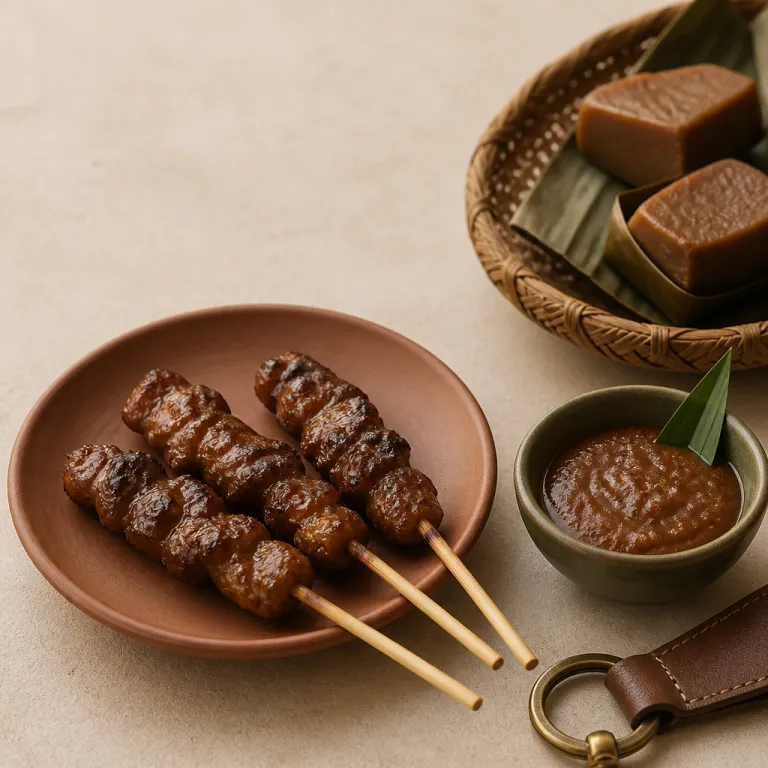
Why brunei night market food belongs on a luxury itinerary
Step out of your polished lobby and the first scent that hits you at pasar Gadong is charcoal smoke wrapped around sweet soy and citrus. This is where brunei night market food becomes a quiet counterpoint to polished hotel dining, and where a luxury traveler finally meets Bruneian food on its own terms. In a country often framed by oil wealth and mosque silhouettes, the Gadong night market is the key attraction that reveals how locals actually eat, gather and measure time.
Located in Bandar Seri Begawan’s Brunei Muara district, the brunei gadong area hosts more than one hundred and fifty stalls in a covered market that feels both efficient and atmospheric. The modernized facilities, upgraded with better ventilation and lighting, mean you can move through the busy aisles without sacrificing comfort, even when the night market is at its most crowded. For travelers used to hushed dining rooms, this is a different kind of luxury in Asia Brunei style ; it is the luxury of choice, immediacy and proximity to the people who cook your food.
Think of Gadong as the market key to understanding Brunei’s food culture before you sit down to a tasting menu back at your hotel. The brunei night market food here is not staged for tourists ; it is calibrated for office workers, families and students who know exactly how they like their grilled chicken wings or beef skewers. That authenticity is why any serious attraction Brunei itinerary should include at least one evening at Gadong night, ideally early in your stay so the flavors frame everything that follows.
What to eat at Gadong: from chicken wings to smoky lamb tails
Arrive around 18:00 and the market is already busy, with smoke rising from rows of grills and the air thick with the scent of marinated chicken and lamb. Vendors at pasar Gadong work with a precision that would not look out of place in a luxury hotel kitchen, turning skewers of beef, fish and chicken wings in perfect rhythm. This is brunei night market food at its most elemental ; protein, fire, sugar, salt and a quiet confidence born from repetition.
Start with grilled chicken wings, brushed with a sticky glaze that balances sweetness and char, then move to chicken lamb skewers where both meats share the same fragrant marinade. Many stalls also serve lamb tail cuts, slow cooked until the fat turns silky, a rich counterpoint to lighter grilled fish wrapped in banana leaves. Prices hover around a few Brunei dollars per portion, which means you can sample widely without worrying about cost, even if your hotel suite upstairs tells a different story about your budget.
Do not skip the rice based plates that anchor Bruneian food culture at the night market. Nasi katok, a simple combination of rice, fried chicken and sambal, is a cultural shorthand for daily life in Brunei, and tasting it here among locals gives context to any elevated version you might meet in a hotel restaurant. Balance the heat with fresh fruits from the produce section of the market, where neatly stacked pineapples, mangoes and local citrus show another side of Asia Brunei abundance and make an ideal palate cleanser between activities.
For a deeper look at how these flavors shift across the calendar, luxury travelers should read this guide to Brunei’s food calendar and seasonal dishes before planning their trip. Understanding when certain fruits, fish and festival dishes appear will help you time your visit so the brunei night market food aligns with your culinary priorities. That level of planning turns a casual stroll through the market into a curated tasting that rivals any hotel led gastronomic experience.
Ambuyat, Kianggeh and the full picture of Bruneian food culture
To grasp why Gadong’s brunei night market food matters, you need to see how it fits into the wider food culture of the capital. Start one morning at Kianggeh River’s floating market, where boats from Temburong bring vegetables, herbs and river fish that later appear on plates across Bandar Seri Begawan. Pair that with an evening at the Gadong night market and you will have traced the journey from raw ingredients to grilled skewers in a single day.
Brunei’s national dish, ambuyat, rarely appears in its best form at the night market, so plan to try it in a dedicated restaurant recommended by your hotel concierge. Ambuyat is made from sago palm starch and eaten with bamboo sticks called candas, which you twirl into a sticky ball before dipping into sour or spicy sauces ; the ritual is as important as the taste. For a detailed primer on ambuyat, nasi katok and other staples before you land, consult this in depth guide to the real flavors of Bandar Seri Begawan so the textures and techniques feel familiar when you finally sit down.
While Malaysia and Indonesia lean heavily on oil and sugar, Bruneian food often feels cleaner and more restrained, even when the same ingredients appear on the grill. Coconut milk is used generously but with a lighter hand, and the heat of chilies is balanced by citrus and herbs rather than sheer sweetness. You taste that difference in the way grilled fish is seasoned at pasar Gadong, in the measured burn of sambal on your chicken wings, and in the subtlety of sauces that cling to beef skewers without overwhelming the meat.
Navigating Gadong night market like a seasoned luxury traveler
The Gadong night market opens in the late afternoon, but the most atmospheric time to arrive is just before sunset when the first wave of office workers filters in. By 19:00 the market is busy, yet the flow remains surprisingly orderly thanks to clear walkways and designated seating areas. This is not a chaotic crush ; it is a well run operation where vendors and visitors move with an unspoken choreography.
Bring small denomination cash, as most stalls still operate on a simple hand to hand system rather than digital payments. The methods are straightforward, with self service ordering at many counters, so you can point to the grilled chicken, lamb or fish you want and watch it move from charcoal to plate in minutes. Municipal authorities have invested in better lighting, ventilation and hygiene, which means the brunei night market food experience feels reassuringly controlled even for travelers used to strict hotel standards.
To keep your evening seamless, treat the market as one of your core activities rather than an afterthought squeezed between spa appointments. Ask your hotel to arrange a car that can wait nearby, allowing you to skip content like parking logistics or haggling with taxis and focus on the sensory details instead. If you are concerned about crowds or personal space, remember that the covered structure and clear layout give you more room than many markets in Asia, and you can always retreat to quieter corners near the fruits and drinks stalls when the central aisles feel too intense.
One practical note for digital natives ; the only privacy policy that matters here is your own comfort with being photographed or filmed, as locals sometimes document the vibrant scene on their phones. If you prefer to remain in the background, choose seating slightly away from the main thoroughfare where most cameras naturally point. That way you can enjoy the full spectrum of brunei night market food without feeling like part of the show.
Pairing street food with five star stays in Brunei Gadong
For luxury travelers, the smartest way to approach brunei night market food is to treat it as a complementary course to your hotel’s culinary program, not a replacement. Spend one evening with grilled chicken wings, beef skewers and lamb tail at pasar Gadong, then ask your hotel chef how these flavors translate into their own menus. The conversation that follows often reveals as much about Bruneian food culture as any formal tour.
Many premium properties in Brunei now build market visits into their concierge offerings, sending guests to Gadong night with curated stall recommendations and sometimes even arranging guided tastings. This is where a platform like mybruneistay.com becomes invaluable, helping you choose hotels that understand the market key role of Gadong in shaping a sophisticated itinerary. For a broader cultural context that links mosques, water villages and food, read this feature on how Brunei’s cultural heritage is reshaping luxury hospitality before you book.
When planning your stay, allow enough time to experience both the Gadong night market and a morning at Kianggeh, ideally with a rest window back at your hotel between the two. That rhythm lets you enjoy the busy energy of the night market, sleep in crisp sheets, then wake ready to walk the quieter aisles where fruits, vegetables and river fish set the tone for the day. If you are tempted to skip one of these activities, resist the urge ; together they frame a complete narrative of how food moves through Brunei, from river and farm to grill and plate.
As one local summary puts it, “What is the Gadong Night Market? Brunei's largest night market offering diverse local cuisine. When is the market open? Daily from 4 PM to 11 PM. What types of food are available? Local dishes like satay, nasi lemak, and desserts.” Those simple facts, delivered without flourish, underline why this market remains the quiet heart of attraction Brunei for anyone who cares about what is on their plate. Once you have eaten here, room service feels less like a default and more like a deliberate choice.
FAQ
What makes Gadong night market different from other markets in Asia Brunei?
Gadong stands out because it combines scale, comfort and authenticity in a single covered space. You get more than one hundred and fifty stalls of brunei night market food, yet the layout, lighting and cleanliness feel closer to a well managed food hall than a chaotic street scene. That balance makes it especially appealing for luxury travelers who want local flavor without sacrificing basic comfort.
Is Gadong night market safe and suitable for solo travelers?
The market attracts a broad cross section of Bruneian society, from families with children to office workers grabbing dinner, which contributes to a relaxed, safe atmosphere. Solo travelers can comfortably navigate the aisles, order grilled chicken, lamb or fish and sit at communal tables without feeling out of place. As with any busy public space, keep valuables close, but the overall environment is notably calmer than many regional markets.
How much time should I plan for a visit to pasar Gadong?
Plan at least ninety minutes if you want to walk the entire market, choose your brunei night market food thoughtfully and sit down to eat without rushing. Arriving around 18:00 lets you see the transition from quiet setup to busy peak hours, which is part of the experience. If you enjoy photography or people watching, two hours will feel more comfortable.
Can I find vegetarian or lighter options at the night market?
While grilled chicken wings, beef skewers and lamb tail dominate many stalls, there are always lighter choices. Look for grilled fish, vegetable skewers, rice dishes without meat and plenty of fresh fruits and juices. Communicate your preferences clearly to vendors, who are used to tailoring plates for different tastes within the flow of the busy market.
How should I combine Gadong night market with Kianggeh floating market in one itinerary?
Spend one evening at Gadong focusing on cooked brunei night market food, then visit Kianggeh the following morning to see the raw ingredients that underpin Bruneian food culture. This pairing shows how fish, vegetables and herbs move from river and farm to grill, giving you a complete narrative arc. Returning to your hotel between visits lets you reset, reflect and appreciate how both markets shape the city’s daily rhythm.