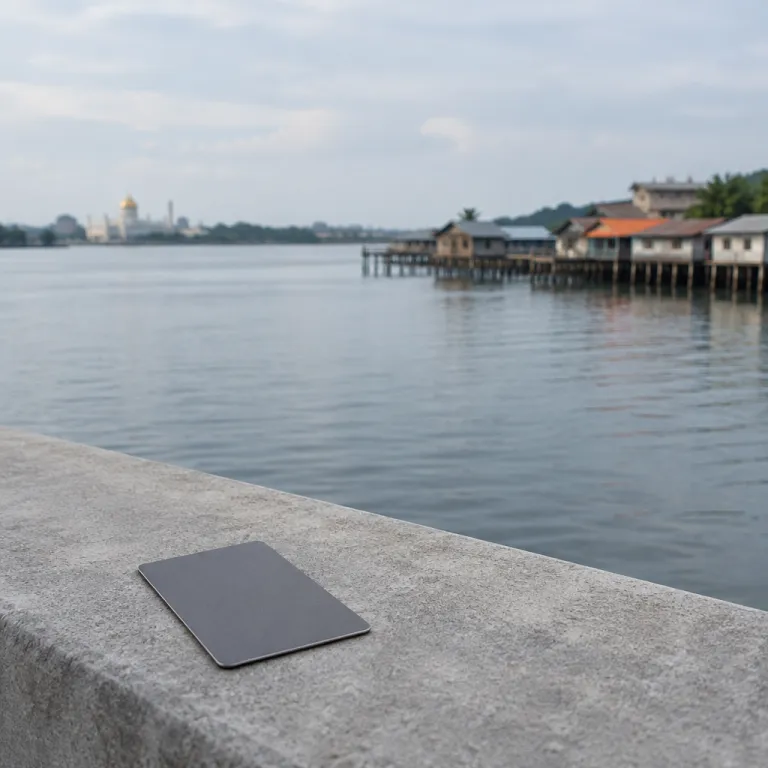
Brunei abode of peace travel and the luxury of quiet
Brunei Darussalam translates as the abode of peace, and that name matters. In this small Southeast Asian country on Borneo’s northern coast, the phrase is not branding but a framework that shapes how luxury hospitality feels from the first airport greeting to the last boat ride along the Brunei River. For travelers used to spectacle, the calm in the capital city can feel almost abstract on the first day.
The city of Bandar Seri Begawan is compact, low rise and intensely ordered, with an Islamic skyline of domes and minarets rather than glass towers and rooftop clubs. You move between the Omar Ali Saifuddien Mosque, the Royal Regalia Museum and the water village of Kampong Ayer in minutes, yet the pace remains unhurried and the local population seems to flow rather than rush. That rhythm is the baseline for any serious itinerary in this so called abode of peace, especially if you visit Brunei to build a stay around culture, Malay heritage and reflective comfort.
Luxury hotels here lean into that sense of restraint, offering wide corridors, deep sofas and long views over mangroves instead of crowded lobbies and thumping bars. Properties such as The Empire Brunei and Radisson Hotel Brunei Darussalam favor soft lighting and generous public spaces over spectacle. Staff speak quietly, service is attentive but rarely performative, and the country history of monarchy, oil and gas sits just beneath the surface of every interaction. When you explore the capital as a solo guest, you notice how the royal legacy and the oil and gas wealth have funded infrastructure that makes the city feel safe, legible and unusually serene.
Faith, safety and the texture of calm in the capital
Walk from your hotel to the Omar Ali Saifuddien Mosque at dusk and you understand how Islamic architecture can anchor a whole city’s mood. The mosque’s marble, its lagoon and the ceremonial replica of a royal barge create a view that feels both theatrical and deeply private, especially when the call to prayer folds into the hum of the capital. Many guests say this is the moment their Brunei Darussalam journey stops being an abstract phrase and becomes a lived sensation.
Across the Brunei River, Kampong Ayer offers a different expression of that calm, with wooden houses on stilts, children in school uniforms and water taxis gliding between jetties. Booking a private boat ride here through a luxury concierge lets you explore the water village at your own pace, pausing to watch local life or to photograph the city skyline with the Ali Saifuddien and Omar Ali domes in a single frame. The contrast between the royal mosques and the Malay river settlement is one of the most interesting cultural juxtapositions in Southeast Asia.
Safety underpins this ease, and it is not a marketing line but a daily reality that shapes how you move through the country. Solo travelers walk to the night market, ride with local boatmen and visit royal sites such as the Royal Regalia Museum without the low level vigilance that shadows many other cities. Brunei consistently reports very low crime rates compared with regional hubs, and that combination of faith, order and security is part of why high end stays here feel different from a standard oil rich destination, even though oil and gas revenues are the quiet engine behind the infrastructure.
Royal legacy, oil wealth and a hospitality of restraint
Brunei is a monarchy where the sultan is not an abstract figure but a presence whose name threads through daily life. Sultan Haji Hassanal Bolkiah, often referred to as Sultan Haji or Haji Hassanal, appears in portraits in hotel lobbies, on banknotes and in the stories staff tell about royal generosity and national development. That royal narrative, combined with the country’s oil and gas income, has produced a hospitality landscape that prizes solidity over trend.
In Bandar Seri Begawan, you see this in the way major properties handle space, with large suites, generous public areas and a preference for timeless materials over seasonal design statements. The Empire Brunei, for example, is known for its marble columns, sweeping atrium and views over the South China Sea, while city hotels echo the same sense of continuity on a more intimate scale. The Royal Regalia Museum, with its gilded chariots and ceremonial uniforms, offers a useful lens on this aesthetic of continuity, especially when you step back into a hotel that echoes the same palette in a quieter key. For many guests, luxury travel in this peaceful sultanate becomes a study in how royal symbolism and resource wealth can be translated into a very specific kind of low volume hospitality.
Connectivity supports this discreet model, with Royal Brunei Airlines and its partnerships quietly improving access without flooding the country with visitors. The flag carrier operates regular services to hubs such as Singapore, Kuala Lumpur and London, and recent schedules show several flights a week on key regional routes. For European travelers, the Turkish Airlines codeshare explained in this analysis of Brunei’s new one stop link to Istanbul shows how the capital is becoming easier to reach while still feeling remote. The country’s leadership talks about growth, yet the on the ground reality remains a small population, a compact city and a hospitality sector that values measured expansion over rapid scale.
What guests actually feel: the unhurried luxury of space and time
Ask frequent visitors what they remember most about Brunei and they rarely start with a specific hotel amenity. Instead, they talk about the way the city feels at night, when the Omar Ali Saifuddien Mosque glows over the Brunei River and the streets around the night market stay lively but never frantic. One repeat guest described it as “a capital city that behaves like a quiet resort,” and that emotional register is where the abode of peace idea becomes a form of luxury that is hard to replicate elsewhere.
In practical terms, this means your days stretch differently here, with time to visit the Regalia Museum, take a boat ride to Kampong Ayer, pause for coffee with a view of the Saifuddien mosque and still return to your room before dark without feeling rushed. Solo explorers often comment on how well the city’s scale suits them, allowing them to explore on foot or by water taxi while staying oriented and comfortable. The capital’s modest population and the country’s careful planning keep traffic light, noise levels low and the overall atmosphere closer to a provincial town than an oil rich hub.
Even when you leave the city for rainforest excursions or river safaris, that same sense of composure follows you. Guides speak in measured tones, wildlife encounters are handled with restraint and the emphasis is on observation rather than adrenaline, as outlined in this luxury traveler’s guide to meeting the proboscis monkey in Brunei’s mangroves. Operators typically limit group sizes and time spent near the animals, and sightings of proboscis monkeys, hornbills and crocodiles are common on evening cruises. For many, the most interesting realization comes on the final day, when they notice how their own pace has slowed to match the country’s, and how reluctant they are to trade that calm for a busier city.
Top places to stay: where the abode of peace meets polished service
Choosing where to stay in Brunei is less about chasing the newest opening and more about aligning with the country’s understated rhythm. In and around Bandar Seri Begawan, leading properties frame views of the Brunei River, the city’s Islamic landmarks and the surrounding greenery, turning the capital itself into a kind of extended resort. The Empire Brunei, with its clifftop setting and private beach, and central options like Radisson Hotel Brunei Darussalam or The Rizqun International Hotel give a sense of how varied that can feel. For travelers focused on the country’s “abode of peace” character, the priority is often a room that captures that view of domes, water and forest in a single sweep.
Many luxury hotels here offer expansive pools, quiet gardens and generous spa facilities rather than nightlife, making them ideal for guests who see wellness as part of their cultural itinerary. If you are weighing options, this guide to hotel pools in Brunei for families, couples and serious swimmers gives a useful sense of how different properties handle water, light and privacy. The best addresses understand that the country’s strongest asset is its atmosphere, so they design stays that encourage you to linger on balconies, walk the grounds and use the city as an extension of the resort.
Service reflects the Malay and Islamic values that underpin Brunei Darussalam, with staff trained to be attentive, discreet and genuinely curious about your experience. Concierges can arrange private visits to the Royal Regalia Museum, curated routes between the Omar Ali Saifuddien and Ali Saifuddien mosques, or tailored night market walks that highlight local food without overwhelming you. Over a few days, you start to see how the country’s royal heritage, its oil funded stability and its small population combine to create a hospitality culture where peace is not an absence of activity but a carefully maintained luxury.
FAQ
What makes Brunei’s luxury hotels different from other Southeast Asian destinations ?
Brunei’s luxury hotels operate in a country where the official name, Brunei Darussalam, literally means abode of peace, and that shapes everything from design to service. Properties emphasize space, quiet and views of Islamic landmarks such as the Omar Ali Saifuddien Mosque rather than nightlife or shopping. For many guests, the combination of safety, low visitor numbers and royal heritage creates a calmer, more reflective stay than in larger regional cities.
Is Brunei a good destination for solo travelers seeking high end stays ?
Solo travelers often find Brunei particularly comfortable because the capital is compact, walkable and notably safe at all hours. High end hotels are used to independent guests and can arrange private boat rides on the Brunei River, guided visits to the Royal Regalia Museum and curated night market experiences. This makes a peaceful Brunei Darussalam escape especially appealing if you want cultural depth without the stress of navigating a huge metropolis.
How many days should I plan for a luxury stay in Bandar Seri Begawan ?
Three to four days in Bandar Seri Begawan usually allow enough time to visit the main mosques, explore Kampong Ayer by boat, spend an afternoon at the Regalia Museum and enjoy your hotel’s facilities. With an extra day, you can add a river safari or rainforest excursion while still keeping the unhurried pace that defines the country. Shorter stays are possible, but they can feel rushed compared with the natural rhythm of travel in this so called abode of peace.
Can I combine cultural visits with wellness and relaxation in Brunei ?
Most premium properties in the capital are designed so you can move easily between cultural exploration and downtime. It is common to spend the morning visiting the Omar Ali Saifuddien Mosque or Kampong Ayer, then return for an afternoon by the pool or in the spa. This balance between city experiences and resort style relaxation is one of the most interesting aspects of luxury travel in the country.
How does Brunei’s oil and gas wealth influence the travel experience ?
Oil and gas revenues have funded infrastructure, healthcare and education, which in turn support a high standard of living and a strong sense of security. For visitors, this translates into excellent roads, reliable services and a hospitality sector that can focus on refinement rather than volume. The result is a Brunei Darussalam travel experience where the benefits of resource wealth are visible, but expressed through stability and calm rather than overt extravagance.