Bertangas and the quiet power of Brunei traditional Malay spa rituals
In Brunei Darussalam, wellness is not a passing lifestyle trend but a cultural inheritance woven into daily life. Couples arriving in the sultanate for a romantic escape quickly realise that a Brunei traditional Malay spa is less about surface level pampering and more about resetting the body and mind after demanding days. The most thoughtful luxury properties treat each wellness experience as a bridge between royal court traditions, village midwifery knowledge and the rainforest calm that still defines much of Darussalam.
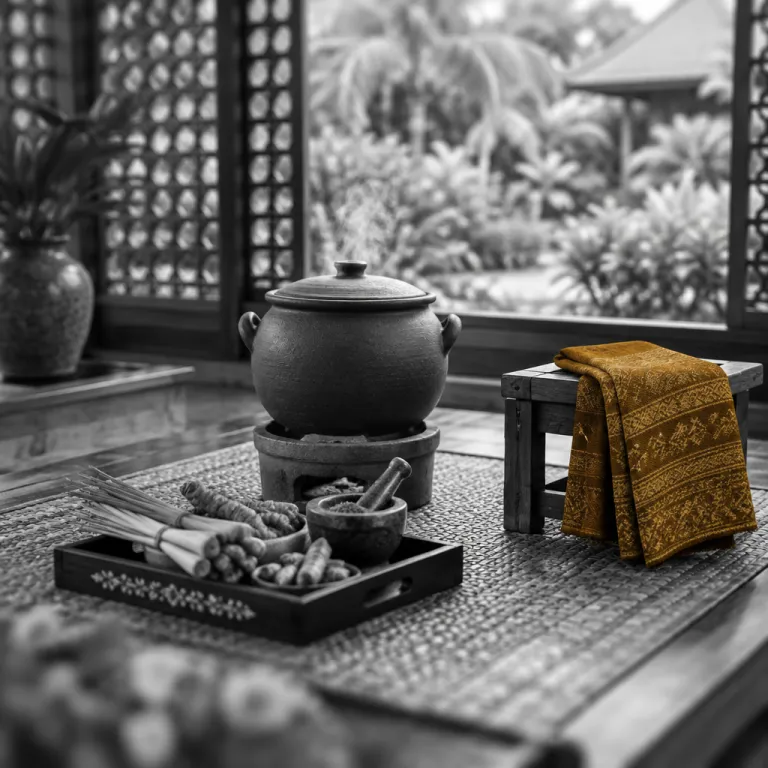
At the heart of this heritage sits bertangas, the traditional Malay herbal steam ritual where the body is cocooned in fragrant vapour rising from simmered leaves, roots and flowers. In its most authentic form, this traditional Malay practice was designed to support women during the postnatal period, drawing on generations of traditional medicine to warm the body, balance energy and encourage circulation. Ethnobotanical studies from the wider Malay world, such as work by Dr. Ong Hean Chooi on postpartum care, describe similar steam baths as a way to “restore internal warmth and dispel wind” after childbirth. Today, discerning travellers encounter bertangas in refined spa suites, where therapists explain how each herbal blend is chosen for specific health goals, from easing travel fatigue to deepening inner peace for couples who have flown in from Malaysia, Cambodia or elsewhere in Southeast Asia.
Luxury hotels in Brunei now curate entire wellness retreat programmes around this experience, often pairing bertangas with a slow, rhythmic Malay massage that works along energy lines rather than muscular force. A thoughtful Brunei traditional Malay spa will schedule these treatments across three unhurried days, allowing the body and mind to adjust gently instead of compressing everything into a single intense session. At The Empire Brunei, for example, the spa team often recommends spacing steam, massage and body treatments over several evenings to “let the nervous system catch up with the body.” When you find a property that treats traditional healing as a living practice rather than a themed add on, you feel it in the way therapists speak about Malay healing, in the herbal aromas that linger softly and in the unhurried silence that follows the final bowl of steam.
From rainforest to steam bowl: the herbal intelligence behind Malay healing
The most compelling wellness spa programmes in Brunei start long before you step into a treatment room. They begin in the forest, where generations of healers learned which leaves, barks and roots could soothe the body, calm the mind and restore health after long days in the humidity. When a Brunei traditional Malay spa is serious about heritage, you will see this botanical intelligence woven into every stage of the wellness experience, from welcome drinks to post treatment teas.
In bertangas, the herbal steam is usually built around three key elements, such as warming ginger, circulation boosting lemongrass and gently sedative pandan leaves, each chosen for a specific role in traditional medicine. A 2019 regional ethnobotany survey on Malay postpartum care noted that these same plants appear repeatedly in village steam baths and compresses across Brunei and peninsular Malaysia. Some therapists in Brunei Darussalam still reference older texts from Malaysia and wider Southeast Asian practice, where similar steam rituals were used to support women during the confinement period and to help men recover from physical labour or travel fatigue. The goal is not only to cleanse the skin but to balance energy pathways, allowing the body to release heat, tension and emotional residue that accumulates during hectic urban living.
High end properties like The Empire Brunei have begun to frame these rituals within more contemporary wellness language, speaking of detoxification, immunity and nervous system regulation while still crediting Malay healing as the source. On the spa’s own materials, bertangas style steam is often described as a way to “gently stimulate circulation and encourage deep relaxation” before massage. When you read a spa menu that pairs bertangas with hot stone therapy or a focused body massage, ask how the stones, oils and herbal compresses are chosen to complement the steam rather than simply extend the treatment time. For couples who care about substance, a reliable signal is whether the spa team can explain how each plant, each temperature shift and each pause in the ritual contributes to a coherent wellness retreat, not just a string of pleasant sensations, and you can explore this scientific angle further through a dedicated guide to cognitive wellness in Brunei on this site.
Postnatal roots, modern programmes: how Brunei’s luxury spas adapt tradition
Much of what feels innovative in Brunei traditional Malay spa design is actually a careful reworking of postnatal care rituals that once structured village life. Traditional Malay confinement practices combined herbal baths, abdominal binding, massage and steam to help the body recover during a vulnerable period when health could easily falter. Midwives in Kampong Ayer and rural districts still recall how new mothers would follow a strict sequence of warming treatments for up to forty days. Today, luxury resorts reinterpret these frameworks for couples seeking a wellness retreat that feels both nurturing and quietly rigorous.
In properties across Brunei Darussalam, you will see spa journeys that borrow the architecture of those confinement days but open them to all genders and life stages. A typical three day programme might start with a grounding body massage using warming oils, move into bertangas herbal steam on the second day and close with a lighter, circulation focused treatment that leaves the body mind connection feeling alert rather than sedated. When done well, these sequences respect the logic of traditional healing, where each step prepares the body for the next, instead of offering a random assortment of massages and scrubs. One senior therapist at a coastal resort summarised it simply: “We warm, we release, then we restore.”
Couples travelling with children can even fold these rituals into a broader family wellness experience, pairing adult treatments with child friendly activities or shorter, gentler sessions that introduce the language of balance energy and inner peace without overwhelming younger guests. On this site, a dedicated guide to family spa days in Brunei outlines how certain properties manage this balance, ensuring that parents can enjoy a serious wellness spa programme while children explore the rainforest or water village surroundings. The key is to find a resort where Malay healing is treated as a framework for long term health, not just a romantic prop, so that every member of the family leaves with a deeper sense of how traditional Malay wisdom can support modern lives.
Where to stay: from empire scale opulence to intimate wellness corners
For couples planning a Brunei traditional Malay spa focused escape, the choice of resort matters as much as the treatment menu. The Empire Brunei remains the country’s flagship luxury property, and its spa has gradually shifted from pure indulgence toward a more grounded wellness spa philosophy that acknowledges traditional Malay roots. Here, you can book a sequence that combines bertangas style steam, a slow, stretching body massage and a hot stone treatment, all framed by views that sweep from manicured lawns to the open sea.
Smaller wellness focused properties such as Permai Wellness and Bayu Permai, when operating, tend to lean more heavily into the language of wellness retreat programmes, often emphasising the connection between rainforest surroundings and inner peace. In these settings, therapists may speak more explicitly about traditional medicine, explaining how specific herbal compresses or steam blends were once used in villages across Brunei and neighbouring Malaysia to support fertility, digestion or emotional resilience. The best teams understand that travellers from the United States or other parts of Southeast Asia are not looking for a museum piece but for a living, adaptable practice that can meet modern stresses, from digital overload to long haul travel fatigue.
When comparing options on mybruneistay.com, pay attention to how each property positions its Brunei traditional Malay spa offering within the wider guest experience. Some resorts integrate wellness into daily rhythms, offering short morning rituals, guided breathing or gentle stretching that echo traditional healing concepts without requiring a full day in the treatment room. Others keep the spa as a separate, almost theatrical space, which can work beautifully for couples seeking privacy but may feel disconnected if you are hoping to weave Malay healing into every layer of your stay, and families can cross reference this with our guide to Brunei stays with children and jungle adventures for a more complete itinerary.
Authenticity versus tokenism: reading between the lines of a spa menu
Not every Brunei traditional Malay spa offering carries the same depth, and discerning couples quickly learn to read between the lines. When a spa lists “Malay massage” or “herbal steam” without context, you are often looking at token gestures rather than a considered wellness experience. Authentic programmes, by contrast, explain how each ritual fits into a broader philosophy of traditional healing and how it supports long term health rather than just short term relaxation.
One practical test is to ask therapists about the origin of their herbal blends and the reasoning behind each step of the bertangas sequence. If they can speak confidently about which leaves are used to warm the body, which roots help balance energy and how the steam interacts with the skin and respiratory system, you are likely in the hands of a team that respects traditional medicine. When the answers lean heavily on vague spa language and imported trends, the Malay element has probably been diluted to a theme rather than a guiding principle.
Another marker is how the spa situates itself within the wider cultural landscape of Brunei Darussalam, including the water village communities where many of these practices were once part of daily life. Properties that engage with local practitioners, support training in Malay healing techniques and frame their wellness spa as part of a broader Southeast Asian continuum, stretching from Malaysia to Cambodia, tend to offer more grounded experiences. For couples who care about integrity, the goal is to find a resort where experience traditional rituals feel both luxurious and honest, where the body mind connection is treated with respect and where inner peace is not a marketing slogan but a quiet, cumulative result of days spent in thoughtful company with steam, stones and the forest.
FAQ
What makes a Brunei traditional Malay spa different from other Southeast Asian spas ?
A Brunei traditional Malay spa is rooted in Malay healing practices that prioritise warming the body, supporting circulation and restoring balance energy through herbal steam, massage and compresses. Unlike some other Southeast Asian traditions that focus heavily on stretching or acupressure, Brunei’s approach often centres on bertangas herbal steam and postnatal inspired care frameworks. The result is a slower, more cocooning wellness experience that feels particularly suited to couples seeking deep rest after long haul travel.
How many days should couples plan for a meaningful wellness retreat in Brunei ?
For a genuinely restorative wellness retreat built around Brunei traditional Malay spa rituals, couples should plan at least three full days dedicated to treatments and unstructured rest. This allows time for an initial body massage, a central bertangas session and a follow up treatment that integrates the effects of the steam without overwhelming the system. Shorter stays can still be beneficial, but the cumulative impact on body and mind is noticeably stronger when the programme is spread across several days.
Is bertangas suitable for everyone, including first time spa travelers ?
Bertangas is generally gentle and suitable for most healthy travellers, including those new to spa culture, because the herbal steam can be adjusted in temperature and intensity. Guests with respiratory conditions, cardiovascular issues or who are pregnant should always consult both their physician and the spa team before booking, as traditional medicine practices can interact with certain health situations. A reputable wellness spa in Brunei Darussalam will offer clear guidance, alternatives such as lighter herbal baths and the option to shorten the steam period if needed.
Can families with children enjoy traditional Malay wellness in Brunei ?
Families can absolutely engage with traditional Malay wellness in Brunei, provided they choose a resort that designs age appropriate experiences and clearly separates adult only rituals like bertangas from gentler options. Many properties offer shorter massages, simple foot rituals or nature based activities that introduce children to the idea of caring for body and mind without exposing them to intense heat or long sessions. Parents can schedule their own Brunei traditional Malay spa treatments while children join supervised activities, creating a shared wellness experience that respects different needs.
How can I tell if a spa treatment in Brunei is authentically Malay or just themed ?
An authentically Malay treatment in Brunei will usually come with a clear explanation of its origins, ingredients and purpose within traditional healing frameworks. Therapists should be able to describe which herbs and leaves are used, how the massage techniques differ from Thai or Balinese styles and why certain sequences are recommended over others. When a spa cannot answer these questions or relies solely on generic descriptions, the offering is likely more themed than rooted in genuine Malay healing practice.