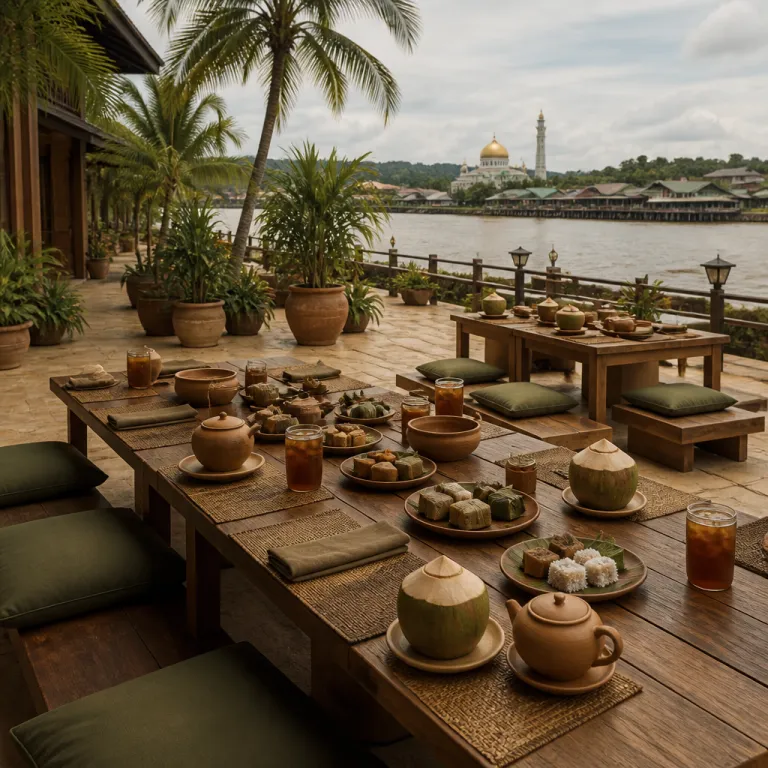
Brunei dining culture: luxury travel at the dry table
Brunei dining culture begins with a quiet rule that shapes everything. Brunei Darussalam prohibits public alcohol sales and consumption under the Liquor Act and Syariah Penal Code, and this single decision opens window after window onto a different way of eating, drinking and socializing. For luxury travelers choosing a hotel or restaurant, the absence of wine lists becomes a lens on Bruneian cuisine, Brunei culture and the country’s approach to hospitality.
In Bandar Seri Begawan, usually shortened to Bandar Seri or simply Begawan by locals, the most refined hotel restaurant teams work with this framework rather than against it. Bruneian chefs and international culinary directors design food and beverage programs where every sip must stand on its own, so the balance of spice, coconut milk richness and the texture of rice or noodles carries the same narrative weight that a sommelier’s pairing might elsewhere. This has pushed cuisine in Brunei toward high frequency experimentation with fresh juices, infused teas and spice driven mocktails that feel considered rather than compensatory.
The Brunei Government enforces the alcohol rules through legislation and community programs, while local restaurateurs act as adaptors who translate policy into experience. Non-Muslim residents and visitors may bring limited alcohol for private use, as outlined by Royal Brunei Customs guidance, yet public spaces remain resolutely dry, which means every luxury hotel bar in Brunei must think differently about what a good evening looks like. At properties such as The Empire Brunei, bar teams have replaced classic cocktail lists with elaborate juice and tea pairings, so for couples planning a stay this travel guide to the dry table is less about what you cannot order and more about how you will enjoy Brunei food, from nasi lemak at breakfast to refined versions of fried chicken or curry puffs at dinner, all framed by an alcohol free but deeply flavorful Bruneian dining rhythm.
From nasi katok to ambuyat: how hotels translate Bruneian cuisine
Luxury properties in Bandar Seri Begawan understand that Bruneian cuisine is the most persuasive introduction to Brunei culture. In practice, that means menus where humble street dishes like nasi katok, kway teow and curry puffs appear alongside polished seafood plates and carefully plated rice based creations that reference village cooking. A thoughtful hotel restaurant will treat these dishes not as novelties but as anchors, presenting Brunei food as a living cuisine rather than a checklist.
Ambuyat, the sago based national dish of Brunei, often appears in tasting menus designed for special occasions, and it tells you a lot about the country in one bowl. You dip sticky, almost translucent starch into sauces built from fermented shrimp, chili and sometimes coconut milk, and in the best hotel dining rooms the service team explains how this ritual connects to riverine life and to the water village just across from Bandar Seri’s gleaming mosques. At Radisson Hotel Brunei Darussalam, for example, chefs sometimes frame ambuyat as a shared course, with staff describing how families gather around a single bowl. As one senior chef there puts it, “If guests remember only one dish from Brunei, we hope it is ambuyat, because it carries our history and our rivers in every bite.” For couples using a travel guide or food guide to plan a stay, these contextualized tastings turn a simple dinner into a structured introduction to cuisine Brunei, especially when paired with stories about indigenous communities and the wider sultanate, which you can explore further through this insider guide to Brunei’s indigenous cultures.
Beyond ambuyat, menus showcase nasi lemak reimagined with premium local rice, crisp fried chicken marinated in aromatic spices, and kway teow stir fries that nod to the influence of every Chinese restaurant in the capital. Food Brunei traditions sit comfortably beside international cuisine, yet the best hotel kitchens keep Bruneian food at the center of the plate. For travelers comparing properties on mybruneistay.com, the strongest recommendation is simple: choose the hotel where the chef speaks fluently about Bruneian cuisine and where the menu reads like a concise, confident guide to the country’s culinary soul.
Mocktails, tea rituals and the new luxury of alcohol free pairing
Once you accept that no wine or cocktails will appear at your table, the creativity of Brunei dining culture becomes clearer. High end hotels in Bandar Seri Begawan now treat non alcoholic pairing as a discipline in its own right, building flights of fresh pressed juices, spice infusions and tea based drinks that track each course with precision. This shift aligns with a broader move in luxury hospitality toward wellness and mindful consumption, yet in Brunei it is not a trend; it is the operating baseline.
Many of the most interesting pairings start with local fruit and coconut milk, which bar teams use to create layered textures rather than sugary punches. A tasting menu might begin with a chilled calamansi and pandan drink to cut through rich fried chicken canapés, move to a smoky tea served warm alongside grilled river fish, then finish with a lightly sweetened coconut milk and gula melaka blend that echoes the dessert course. At The Empire Brunei, beverage managers describe these flights as “tea and juice journeys,” a phrase that captures how carefully each glass is calibrated to the food. One signature mocktail, often cited by visiting food writers, blends fresh pineapple, calamansi, ginger syrup and a hint of lemongrass, shaken and served long over crushed ice to mirror the brightness of nasi katok or grilled seafood. When you read about how cultural heritage is reshaping hospitality in this deep dive on Brunei’s cultural heritage and luxury hotels, you see how beverage programs have become a quiet stage for that evolution.
Tea service, in particular, has stepped into the space that champagne once occupied in other countries, and the best hotel lounges now offer curated tea menus with tasting notes and brewing rituals. This is where the Brunei Government’s emphasis on alcohol free socializing intersects with genuine hospitality craft, as local restaurateurs respond with innovation rather than minimal compliance. For couples, the result is an evening lingering over a final pot of tea or a carefully built mocktail, realizing that the absence of alcohol has not diminished the sense of occasion but instead has reframed what luxury at the table can mean in Brunei Darussalam.
Street food, night markets and how hotels curate the city’s flavours
To understand Brunei dining culture fully, you need to step beyond the polished marble of your hotel and into the smoke and steam of the night markets. In Bandar Seri Begawan, the Gadong night market is the reference point, a place where nasi katok parcels, skewers of grilled chicken, trays of curry puffs and plastic bags of iced drinks create a nightly rhythm. Luxury hotels now act as interpreters of this scene, building guided excursions and in house tastings that translate street food Brunei into something accessible for first time visitors.
Concierges at the best properties often provide a tailored food guide that highlights stalls known for particularly good nasi lemak, silky kway teow or fragrant rice dishes cooked in banana leaves. For couples who prefer structure, some hotels partner with trusted vendors so that a curated selection of Brunei food arrives back at the property, plated with a little more ceremony but retaining the soul of the market. If you want a deeper briefing before you go, this luxury traveler’s guide to the Gadong night market breaks down what you will encounter, from fried chicken specialists to stalls that focus on traditional sweets enriched with coconut milk.
These market experiences matter because they show how Bruneian cuisine lives outside hotel walls, and they remind you that the country’s dry policy does not dampen its appetite for flavor. Every stall operates within the same alcohol free framework as the grandest restaurant, yet the energy feels anything but restrained. For travelers using a broader travel guide to plan time in Brunei, weaving one or two market evenings between hotel dinners creates a balanced view of cuisine Brunei, where the line between everyday eating and special occasions is often just a question of setting rather than ingredients.
Practical etiquette, hotel strategies and what couples should expect
Understanding the rules around alcohol and dining in Brunei is essential for a smooth stay. Public consumption and sale of alcohol are prohibited, and penalties for breaking these rules are strict, which is why every reputable hotel and restaurant in the country operates as a fully dry venue. As official guidance from Brunei’s Ministry of Primary Resources and Tourism and Royal Brunei Customs puts it, “Non-Muslim tourists may bring limited amounts for private consumption.”
For international couples used to hotel bars as social hubs, this can feel like a major adjustment at first, yet the best properties in Bandar Seri Begawan have reimagined their evening spaces with intention. Lounges focus on live music, refined snacks built around local food traditions and elaborate tea or mocktail menus, while pool decks become settings for twilight dinners where rice dishes, grilled chicken and seafood take center stage. Staff are typically well trained to explain both the legal framework and the cultural reasoning behind it, reflecting the Brunei Government’s long term effort to promote alcohol free socializing and maintain public order.
From an etiquette perspective, respecting Brunei culture means avoiding any attempt to drink alcohol in public, including in hotel restaurants or shared terraces, even if you have brought a private supply into the country. Instead, lean into what the destination does best: ask for recommendations on Bruneian cuisine, request a guided tasting of nasi katok variations, or book a table at a Chinese restaurant known for its kway teow and rice dishes that showcase the Chinese strand within cuisine Brunei. For couples who value thoughtful, culturally grounded experiences, the dry table in Brunei Darussalam becomes less a limitation and more a framework that quietly encourages closer attention to every flavor on the plate.
FAQ
Can tourists bring alcohol into Brunei for their hotel stay?
Non Muslim visitors may bring a limited quantity of alcohol into Brunei for strictly private consumption, usually declared on arrival at the border or airport under Royal Brunei Customs rules. This allowance does not extend to public spaces, so you cannot drink in hotel restaurants, lobbies or bars. Luxury hotels are accustomed to explaining these rules and will politely decline any request to serve or store alcohol in shared areas.
How has the alcohol ban affected restaurants and hotels in Brunei?
The alcohol ban has pushed restaurants and hotels to focus on flavor, presentation and non alcoholic beverage programs rather than relying on wine or cocktails to elevate a meal. Many properties now offer sophisticated mocktail lists, curated tea services and juice pairings that match the complexity of their dishes. Local restaurateurs have adapted by highlighting Bruneian cuisine, from nasi katok to seafood and rice specialties, as the main driver of guest satisfaction.
Will I still find a vibrant dining scene in Bandar Seri Begawan?
Bandar Seri Begawan offers a surprisingly varied dining landscape for such a compact capital, with hotel restaurants, independent eateries and night markets all operating within the alcohol free framework. Options range from refined interpretations of Brunei food in luxury hotels to casual stalls serving fried chicken, curry puffs and kway teow. The absence of alcohol has not reduced choice; it has simply shifted attention toward food quality and social atmosphere.
What should couples know about dining etiquette in Brunei hotels?
Couples should dress modestly smart casual in most premium hotel restaurants and avoid public displays of affection that might feel out of place in a conservative setting. Respecting the alcohol rules is essential, which means not attempting to order or consume alcoholic drinks in any public area of the property. Asking staff for guidance on local dishes, from nasi lemak to regional rice specialties, is welcomed and often leads to more personalized recommendations.
Are there vegetarian or non spicy options within Brunei dining culture?
Most luxury hotels and many city restaurants in Brunei can accommodate vegetarian, vegan and low spice preferences with ease. Bruneian cuisine includes a range of rice, vegetable and coconut milk based dishes that can be adjusted to taste, and international menus usually sit alongside local offerings. Inform your hotel in advance of any dietary needs, and kitchens generally respond with flexibility and care.