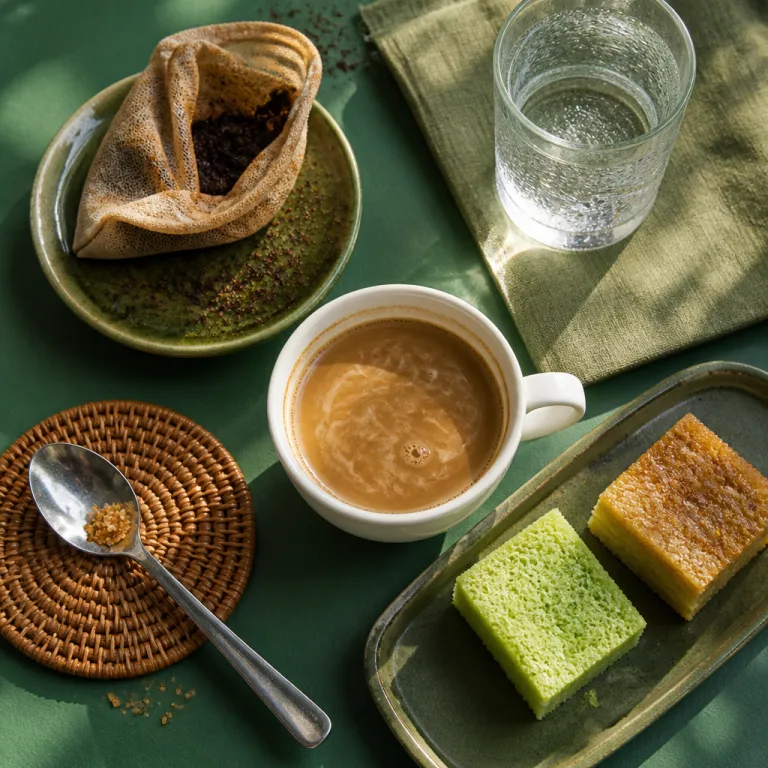
Kedai kopi as Brunei’s living rooms
In Brunei, the heart of daily life often beats inside a kedai kopi rather than a bar. These modest coffee shops and traditional kopitiams function as shared living rooms where office workers, families and solo travelers sit over kopi and talk slowly. The rhythm feels unhurried, and the brunei coffee culture kopi tradition turns every cup into an invitation to linger.
A typical kedai serves strong local coffee brewed from dark roasted coffee beans, softened with condensed milk or evaporated milk and balanced with coffee sugar or simple sugar. Order a kopi “O” for black local coffee with sugar, or kopi “C” for a smoother cup with milk, and you will see how brunei coffee quietly anchors the day. Many regulars still prefer instant coffee in the afternoon, yet the same culture of conversation and community holds across drinks and generations.
These coffee shops are where you feel how an alcohol free society has shaped a distinct coffee culture that carries the social weight a bar might in singapore or indonesia. Tables fill with plates of traditional kuih, steamed buns and fried snacks, and the clink of a cup against a saucer replaces the sound of ice in a cocktail shaker. For a solo explorer, slipping into this local coffee circuit is the most direct way to understand how hospitality in Brunei is woven through everyday drinks rather than late night bars.
Traditional kopi rituals and the dry table
The traditional kopi ritual in Brunei begins with the beans, often robusta or blended coffee beans roasted until almost black, then ground coarse for simple brewing methods. In many kopitiams, staff still prepare kopi coffee by pouring hot water through a cloth sock filter, creating a thick, fragrant brew that stands up to generous condensed milk and sugar kopi. This style of brewing echoes indonesia coffee traditions and the broader indonesian coffee heritage, yet the pace and etiquette feel distinctly Bruneian.
On your table, you might see a cup of kopi beside plates of kuih lapis, steamed rice cakes or banana fritters, all part of a dry table culture where food and non alcoholic drinks carry the social charge. The absence of alcohol has pushed creativity into coffee drinks, tea and fresh juices, and the brunei coffee culture kopi scene reflects that quiet innovation. To understand how this shapes dining, read the in depth guide to Brunei’s dry table dining culture before you plan your evenings.
In these traditional settings, no one rushes you to finish your kopi or other drinks, and lingering is almost expected. You might notice older men reading newspapers while younger guests scroll their phones, yet the shared culture of unhurried time remains. For travelers used to takeaway espresso, this slower tempo can feel like a reset button for the entire trip.
From kopitiam to specialty cafe: Bandar Seri Begawan’s evolving scene
Bandar Seri Begawan now balances its old kedai kopi with a new wave of modern specialty cafe spaces, many clustered around the compact city center. These contemporary coffee shops use lighter roasted coffee beans, precise brewing methods and espresso machines to create drinks that would feel at home in singapore or bali. The result is a layered brunei coffee culture kopi landscape where traditional kopi and specialty coffee coexist rather than compete.
Step into one of these modern cafes and you will see baristas weighing beans, timing espresso shots and adjusting hot water temperature for pour over brewing. Menus highlight single origin indonesia coffee, including bali kintamani beans, alongside other regional coffees from indonesia and beyond. Some even feature kopi luwak or rustic styles like kopi tubruk and firdaus inspired indonesian coffee preparations, presented with the polish expected by luxury travelers.
What stays constant is the Bruneian preference for calm, unhurried spaces where a cup is a reason to pause, not a caffeine transaction. Travelers interested in the country’s layered identity can pair a cafe visit with an afternoon at the royal art collection, using this detailed guide to Brunei’s Balai Khazanah as a cultural compass. To go deeper into the human side of the sultanate, combine coffee stops with excursions informed by this overview of Brunei’s indigenous cultures beyond the museum wall, and you will see how coffee culture threads through multiple communities.
How luxury hotels reinterpret the kopi ritual
Luxury hotels in Brunei have begun to treat brunei coffee culture kopi as a design element rather than just a beverage amenity. In polished lobby lounges, you will often find a dedicated coffee bar where baristas pull espresso for business travelers while also preparing traditional kopi with condensed milk for guests seeking something more local. The best properties curate beans from indonesia, bali and other regional producers, positioning coffee as a quiet expression of Southeast Asian terroir.
Afternoon service in these hotels often blends international espresso based drinks with local coffee traditions, offering tasting flights that move from instant coffee nostalgia to carefully brewed specialty coffee. A tray might include a small cup of strong kopi coffee, a lighter indonesia coffee filter brew and a shot of single origin bali kintamani espresso, each paired with a different kuih or pastry. This approach respects the roots of local coffee while acknowledging the global coffee industry and the expectations of well traveled guests.
For solo explorers, hotel lounges become a controlled yet authentic way to enter the culture, especially if you feel unsure about navigating backstreet coffee shops on your first day. Staff can explain the difference between kopi “O”, kopi with milk and more experimental drinks, helping you order confidently once you venture into town. When a concierge suggests visiting both traditional kopitiams and modern cafés, they are echoing local advice that “Bruneians enjoy coffee in relaxed settings, emphasizing conversation and community.”
Pairing kopi, kuih and unhurried time
Understanding brunei coffee culture kopi means paying attention to what sits beside your cup as much as what is inside it. In kedai kopi and hotel lounges alike, coffee arrives with small plates of sweets or savory bites that turn a simple drink into a light meal. Local hosts will often insist you try kuih, and accepting that offer is as important to the culture as choosing between kopi and espresso.
Classic pairings include strong black kopi with fried bananas, milky kopi coffee with sticky rice cakes and lighter indonesia coffee with coconut based kuih that echo flavors from bali and other parts of indonesia. Some specialty coffee shops experiment with desserts inspired by kopi tubruk or kopi luwak, using roasted coffee in glazes or sauces while still serving a straightforward cup for purists. Sugar, whether as coffee sugar stirred into the drink or as sweetness in the pastry, becomes a subtle tool for balancing bitterness and creating a unique sense of comfort.
Take your time when you sit down, because etiquette in Bruneian coffee shops quietly favors those who linger. No one will rush your drinks, and refills of hot water for tea or extra milk for coffee are offered with gentle hospitality. For travelers used to fast service, this slower cadence is not inefficiency ; it is the point, and embracing it will deepen your sense of connection to Brunei’s everyday life.
FAQ
What is a kopitiam in Brunei ?
A kopitiam in Brunei is a traditional coffee shop where locals gather for strong kopi, simple food and conversation. These venues usually serve local coffee brewed with basic equipment, often using dark roasted beans and condensed milk. They are cultural hubs as much as cafés, and visiting one offers a direct view into Bruneian daily life.
Are there modern specialty cafés in Bandar Seri Begawan ?
Bandar Seri Begawan hosts a growing number of modern specialty coffee shops alongside its older kedai kopi. These cafés focus on espresso, pour over brewing methods and single origin beans from Indonesia, including regions such as Bali. They appeal to travelers seeking third wave coffee while still reflecting the city’s relaxed, conversation first atmosphere.
What are popular coffee drinks in Brunei’s kedai kopi ?
Popular drinks in Bruneian coffee shops include kopi “O”, which is black coffee with sugar, and kopi with milk made using condensed milk or evaporated milk. Many guests also enjoy simple instant coffee, especially in the afternoon, often paired with local kuih or savory snacks. These drinks anchor the brunei coffee culture kopi ritual that structures social time throughout the day.
How does Brunei’s alcohol free rule shape its coffee culture ?
The absence of alcohol in Brunei has pushed social life toward cafés, restaurants and hotel lounges rather than bars. Coffee, tea and other non alcoholic drinks carry the social weight of a bar elsewhere, making kedai kopi and specialty cafés central to the country’s hospitality culture. Travelers experience this through long, unhurried coffee sessions that often replace evening drinks.
Is Indonesian coffee common in Brunei’s cafés and hotels ?
Indonesian coffee is widely used in Brunei, especially beans from nearby regions such as Sumatra and Bali. Many specialty cafés and luxury hotels highlight indonesia coffee on their menus, sometimes featuring bali kintamani or other single origin options. This regional sourcing connects Brunei’s coffee scene to the broader Southeast Asian coffee industry while keeping the focus on local style preparation.