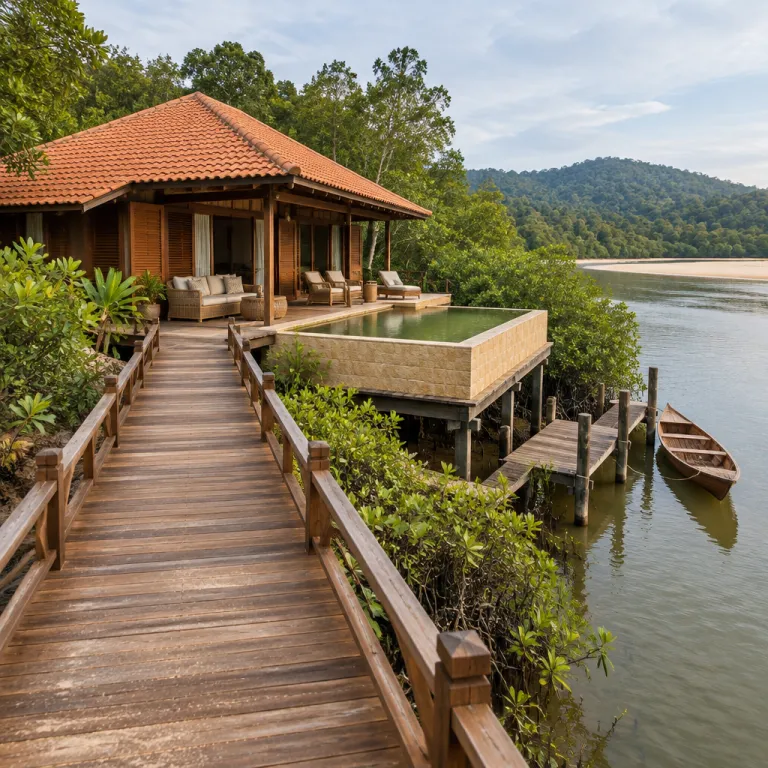
World Tourism Day and the quiet case for responsible luxury travel in Brunei
World Tourism Day lands differently in Brunei Darussalam, the self styled Abode of Peace. While regional neighbours chase volume, responsible luxury travel in Brunei leans into scarcity and a deliberately measured pace of tourism. For business leisure travelers used to global hubs, this country offers a reset where sustainable choices are built into almost every stay.
Visitor arrivals in Brunei reached nearly 400,000 in the first half of the year, a 7.8 percent rise that still feels whisper quiet compared with regional tourism hotspots. That low baseline allows the tourism industry to frame growth around sustainable tourism rather than raw numbers, and it shapes how friendly hotels and resorts think about energy, water and land use. When you travel Brunei during this late September window, you feel how environmental policy and hospitality practices intersect in real time.
Over 70 percent of Brunei’s forest cover is protected, which means responsible tourism is not a marketing flourish but a structural choice. The government’s Visit Brunei Year campaign targets around one million visitors while emphasising eco tourism and heritage, and that ambition forces a conversation about sustainability and luxury in the same breath. For guests planning a stay, the question is no longer whether eco friendly options exist, but how deeply they want those sustainable practices woven into their experiences.
From empire Brunei to ulu forest: what low volume luxury really buys
Nowhere illustrates responsible luxury travel in Brunei more clearly than The Empire Brunei, the country’s flagship coastal resort. Its scale feels almost surreal against the low volume of visitors, yet that very quietness is what many top rated guests now seek. You are paying not just for marble and service, but for space, time and a sense that the natural environment still leads.
At this level, sustainable luxury is less about a single eco label and more about a web of practices Brunei has embedded into its tourism planning. Properties that position themselves as eco friendly or as friendly hotels for conscious travelers increasingly track energy consumption, reduce single use plastics and work with local suppliers for food and experiences. When you choose a resort spa weekend here, you are often choosing a softer environmental footprint than in busier regional hubs, even before you head into the ulu interior.
For those who want to compare coastal stays with greener retreats, our guide to Brunei’s most exclusive eco friendly hotels for sustainable luxury stays is a useful starting point. It highlights how each abode or resort balances luxury with responsible tourism, from rainwater harvesting to low impact river experiences. Use it as an explore picks shortlist when you plan rated stays that align with your values as much as your schedule.
Inside the rainforest: sustainable practices that shape every stay
Leave the coastline and responsible luxury travel in Brunei takes on a different texture in the ulu, where rainforest lodges sit near the national park and river based villages. Here, sustainable tourism is inseparable from community life, and your abode might be a timber structure on stilts rather than a glass tower. The luxury comes from access to natural silence, clean rivers and local experiences that feel unhurried.
Many of these hotels and lodges operate on smaller scales, which makes renewable energy experiments and low impact practices easier to trial. Solar panels, gravity fed water systems and careful waste management are not always branded loudly as eco initiatives, yet they underpin the sustainability of each stay. When you book through a curated selection top list, look for operators who talk clearly about environmental safeguards and how they support responsible tourism in nearby communities.
The tension between growth and conservation is real, and it is examined in depth in our analysis of whether luxury and sustainability can truly coexist in Brunei’s eco tourism roadmap. For guests, the practical takeaway is simple yet demanding. Choose stays that prioritise sustainable practices, ask how your visit contributes to brunei sustainable development goals, and be prepared to trade a little convenience for a lighter environmental footprint.
The real price of scarcity: how to book responsibly in Brunei Darussalam
For the executive extending a work trip, responsible luxury travel in Brunei often begins in the capital and radiates outward. You might start with a night at a city hotel, then add a resort spa weekend and finally a two night foray into the ulu near a national park. Each segment of your itinerary carries choices about sustainability, from the energy profile of your room to the way your excursions engage with local tourism operators.
Because the country has fewer flights and a smaller inventory of luxury hotels, rates can sit higher than in busier markets, yet that scarcity is precisely what protects the natural environment you have come to see. Our planning guide for a luxury stay around the Billionth Barrel Monument shows how to turn a business visit into a sequence of sustainable luxury stays explore options. Use it to build an itinerary that moves from an urban abode resort to a riverside lodge, balancing comfort with responsible tourism at every step.
When you browse our explore picks and selection top lists on mybruneistay.com, you will notice a clear emphasis on responsible practices Brunei wide, from eco friendly amenities to partnerships with local guides. We highlight rated stays where sustainability is evidenced, not just claimed, and where the tourism industry is transparent about its environmental impact. In a world tired of overtourism, this small country’s commitment to low volume, high value travel brunei experiences may be the clearest signal that scarcity has become the ultimate luxury.
FAQ
Is Brunei a good destination for sustainable luxury stays ?
Brunei is well suited to sustainable luxury because its tourism model prioritises low visitor numbers and high value experiences. With over 70 percent of its forest cover protected, the country offers natural settings where eco conscious practices can be integrated into high end hotels and lodges. Travelers who value responsible tourism will find a growing range of properties that balance comfort with environmental care.
How does responsible luxury travel in Brunei affect prices and availability ?
The low volume approach means there are fewer flights and a smaller pool of luxury rooms, which can keep prices higher than in mass tourism destinations. In return, guests enjoy quieter resorts, more attentive service and access to less disturbed natural areas. Booking early, especially around World Tourism Day and regional holidays, helps secure top rated options that align with sustainable tourism values.
What should I look for when choosing an eco friendly hotel in Brunei Darussalam ?
Focus on clear information about energy use, waste management and support for local communities rather than vague green claims. Properties that explain their environmental practices, work with local guides and offer low impact experiences usually deliver more authentic sustainable luxury. Checking curated lists such as mybruneistay.com’s rated stays and selection top recommendations can also help filter serious operators from marketing only players.
Can I combine business travel with responsible tourism experiences in Brunei ?
Many visitors arrive for meetings in the capital, then extend their stay to include a resort spa break or a short trip into the rainforest. This business leisure pattern works well in Brunei because distances are short and the tourism industry is used to tailoring itineraries around tight schedules. With careful planning, you can move from a city hotel to an ulu lodge within a day while keeping your environmental footprint relatively light.
Are there enough activities for a three to five day sustainable itinerary ?
A three to five day trip can comfortably include a city stay, a coastal resort and a visit to a national park or river village. Within that time, you can experience local markets, water village life, guided forest walks and low impact river cruises without rushing. The key is to prioritise depth over breadth, choosing fewer experiences that align with responsible tourism principles rather than trying to tick every box.