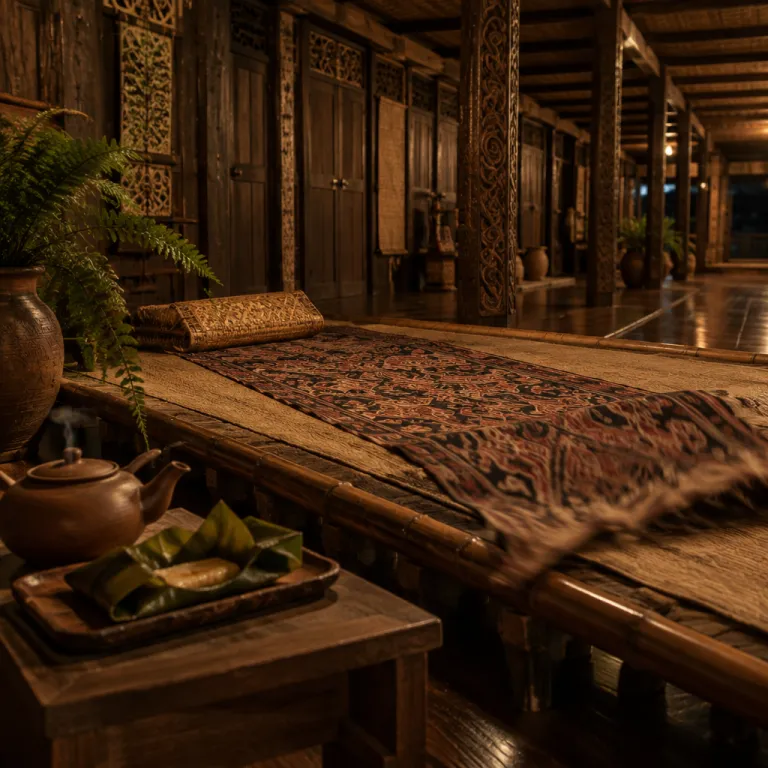
Why a Brunei longhouse homestay belongs on a luxury itinerary
Luxury travelers used to five star hotel suites in Bandar Seri Begawan are increasingly adding at least one brunei longhouse homestay to their itinerary. The shift is subtle yet powerful, because a night in a traditional longhouse reframes comfort as access to living culture rather than just high thread count linen. For a solo explorer or a couple planning a longer trip through Brunei and northern Borneo, that contrast can become the most memorable stay of the entire journey.
In Brunei, the Iban people are part of a wider cultural tapestry that stretches across Sarawak and deep into the jungle interior of Borneo. Many guests arrive from the city centre after a few nights in a polished hotel, then move upriver where the road narrows, the air thickens and the river becomes the main highway. That transition from Bandar Seri Begawan’s mosque domes to a wooden iban longhouse on stilts is not just a change of scenery ; it is a change of pace, etiquette and expectations.
A brunei longhouse homestay usually involves staying inside longhouse communal quarters, where families from the same iban tribe share a single elongated structure. You sleep in a small private room or partition, but your living space is the ruai, the long gallery where people talk, weave, repair nets and share rice wine in the evening. It is not a hotel stay in the conventional sense, yet for many luxury travelers the attentive hosting, the presence of a local guide and the sense of being folded into village life feel more generous than any turndown service.
Many itineraries pair a brunei longhouse homestay with a night or two in a heritage style property in the city centre, booked through a curated platform such as a guide to top rated hotels in Brunei. That balance lets you enjoy both polished urban comfort and the raw yet thoughtful hospitality of traditional longhouses along the Brunei and Sarawak borderlands. For travelers already passing through Kuching or Kuching Sarawak on a wider Borneo route, it also makes sense to compare an iban longhouse stay in Sarawak with a quieter, less trafficked longhouse homestay linked to Brunei’s smaller communities.
Inside an Iban longhouse: daily rhythm, etiquette and shared living
Stepping inside longhouse life means accepting that your schedule will follow the village, not your phone. A typical day during a brunei longhouse homestay starts early, with roosters, river sounds and the first clatter of pots in the shared kitchen. People move quietly at first, then the ruai fills with children, elders and the soft chatter of iban people preparing for work in the fields or jungle.
Communal living in an iban longhouse is structured yet relaxed, and guests are expected to adapt with respect. You remove your shoes before entering, dress modestly and keep luggage small so it does not block the shared corridor. When you visit Iban hosts in their private family sections, you wait to be invited to sit, accept rice wine or tea with both hands and avoid pointing your feet directly at elders.
Meals during a longhouse stay are often cooked over wood fires, with jungle vegetables, river fish and rice forming the core of the menu. On some evenings, especially if a tour guide has arranged a cultural programme, you may see traditional dance or hear stories about the iban tribe’s migration across Sarawak and Brunei. The atmosphere is intimate rather than staged, and many luxury travelers find that this kind of small scale culture sharing feels more authentic than large group tour performances.
Privacy is different from what you would expect in a city hotel, yet there is a clear sense of personal space inside longhouse partitions. Curtains or wooden panels separate sleeping areas, and your hosts will usually provide a mattress, mosquito net and simple bedding for the night. If you are used to the anonymity of a large property in Bandar Seri Begawan or Kuching Sarawak, the direct eye contact and easy conversation of longhouse living can feel like a quiet luxury in itself.
From Bandar Seri Begawan to the jungle: planning the route and the right level of comfort
Most travelers begin their brunei longhouse homestay journey in Bandar Seri Begawan, using the capital as a soft landing before heading inland. A night or two in a premium hotel near the city centre allows you to adjust to the climate, visit the mosques and water village, and arrange logistics with a trusted local guide. This is also the moment to decide how far into the jungle you want to go and how rustic you are comfortable being.
Some itineraries combine a brunei longhouse homestay with a day trip to a nearby national park, where jungle trekking is guided and relatively gentle. Others push deeper along the border with Sarawak, linking Brunei with iban Sarawak communities and even continuing overland towards Kuching and Kuching Sarawak. If you are short on time, a single night longhouse stay paired with a structured day tour can still give you a meaningful sense of iban culture without sacrificing too much comfort.
Luxury in this context is about choice and control rather than marble bathrooms, so work with a tour guide or operator who understands both hotel standards and community expectations. Many of the best intermediaries are former full time guides who now split their living between the city and the village, and they can advise on what to pack, what to leave behind and how to behave respectfully. For travelers who value elite status and benefits, it can be smart to anchor your trip with properties that feature in Brunei’s best hotel loyalty programmes, then use points savings to fund the more experiential longhouse homestay segment.
When planning, remember that transport times in Borneo can be deceptive, because jungle roads and river conditions change quickly. Build in buffer days between your brunei longhouse homestay and any onward flights from Bandar Seri Begawan or Kuching, especially if your route crosses from Brunei into Sarawak. A flexible schedule also leaves space for spontaneous invitations to visit Iban families in neighbouring traditional longhouses, which can become the most meaningful part of your tour.
Respectful immersion: culture, customs and what to bring
A brunei longhouse homestay is not a performance laid on for visitors ; it is a glimpse into ongoing village life. That means your presence has an impact, and approaching the experience with humility is as important as any packing list. Think of yourself as a guest of the iban tribe rather than a client of a hotel, and your interactions will feel more natural for everyone.
Small gestures matter in this context, and a thoughtful gift can go a long way when you visit Iban hosts. Many travelers bring fruit, biscuits or school supplies for children, avoiding alcohol unless a local guide confirms that rice wine is appropriate for that particular community. When you are invited to share rice wine inside longhouse communal areas, sip slowly, follow the lead of your hosts and feel free to decline politely once you reach your limit.
In terms of packing, prioritize light clothing that covers shoulders and knees, plus a sarong or scarf for extra modesty in shared spaces. A headlamp, quick drying towel and personal water bottle will make your longhouse stay more comfortable without clashing with the traditional setting. Leave flashy jewellery and large cameras in your hotel in Bandar Seri Begawan or Kuching, and always ask before taking photos of people, especially elders and children.
Respect also extends to how you talk about the experience once you leave the village and return to the city centre. Avoid framing the iban people as relics of the past ; they are contemporary communities negotiating modern pressures while maintaining traditional practices. If you want to deepen your understanding of how Brunei balances heritage and modernity, pairing your brunei longhouse homestay with a visit to royal and ceremonial sites through resources such as an insider guide to Brunei’s royal splendour can provide useful context.
Community based luxury: where your money goes and who this is for
One of the strongest arguments for choosing a brunei longhouse homestay over an extra night in a city hotel is the way your spending circulates locally. When arranged through community based programmes, a significant share of your fee goes directly to the iban longhouse families who host you. That income supports education, healthcare and the maintenance of traditional longhouses, helping the village remain viable without relying solely on logging or plantation work.
Many longhouse homestay schemes are designed so that hosting duties rotate between families, spreading both the workload and the benefits. A local guide or tour coordinator, often an iban Sarawak or Brunei iban person who speaks several languages, manages bookings and ensures that expectations on both sides are clear. This structure allows younger iban people to work part time or full time in tourism while staying rooted in their village, rather than migrating permanently to Kuching or Bandar Seri Begawan.
In terms of traveler profile, a brunei longhouse homestay tends to suit solo explorers, couples and small groups of friends more than comfort first families. You need to be comfortable with basic facilities, flexible schedules and the unpredictability of jungle weather, especially if jungle trekking or a national park day trip is part of your tour. For those who value narrative and connection over amenities, the chance to sit on a wooden floor at night, listening to stories of the iban tribe while rain drums on the roof, feels like a form of luxury that no city centre suite can replicate.
Families with very young children or travelers with mobility issues may prefer to limit their longhouse stay to a single night and focus on gentler cultural visits during the day. In such cases, you can still arrange to visit Iban communities, share a meal inside longhouse communal areas and support local living through handicraft purchases. The key is to be honest with yourself about your comfort threshold, then design a trip that honours both your needs and the rhythm of village life.
Linking Brunei, Sarawak and Kuching: building a wider Borneo journey
For many travelers, a brunei longhouse homestay is one chapter in a longer Borneo itinerary that might also include Sarawak’s national parks and the food focused streets of Kuching. The cultural thread that ties these places together is the presence of the iban people across borders, each community adapting to its own political and economic context. Planning with that continuity in mind can turn a simple trip into a deeper exploration of how indigenous culture shapes modern Borneo.
One common route starts in Bandar Seri Begawan, moves inland for a brunei longhouse homestay, then crosses into Sarawak for a stay near a national park and a few days in Kuching Sarawak. Along the way, you might visit Iban villages on both sides of the border, noticing how traditional longhouses in Brunei tend to be fewer and more dispersed than the larger complexes near Kuching. Working with a tour guide who understands both jurisdictions helps with permits, transport and the delicate etiquette of moving between communities.
Kuching itself, and especially the older quarters of Kuching city centre, offers a different lens on iban culture, with museums, craft shops and urban iban Sarawak associations. Spending time there after your longhouse stay can help you contextualize what you experienced in the village, from weaving patterns to the role of rice wine in ceremonies. It also gives you access to more conventional hotel comforts before or after your jungle trekking segments, which can be reassuring if you have been living very simply for several days.
Throughout this wider journey, keep your group size small and your expectations flexible, especially when arranging last minute day trips to remote areas. Weather, river levels and local events can all affect whether a planned visit Iban experience is possible on a given day. Treat those uncertainties as part of the narrative of traveling through Borneo rather than as service failures, and you will find that the most meaningful moments often happen in the unscripted spaces between your scheduled tours.
Practical tips for booking and enjoying a Brunei longhouse homestay
When you are ready to book a brunei longhouse homestay, start by clarifying your priorities in terms of comfort, remoteness and cultural depth. Ask potential operators exactly which iban longhouse you will be staying in, how many people live there and what facilities are available. A reputable local guide or agency will be transparent about sleeping arrangements, bathroom setups and the level of English spoken in the village.
Clarify the balance between structured activities and free time, especially if jungle trekking, a national park excursion or a day trip to a nearby village is included. Some travelers prefer a full time guide presence, while others are happier with a lighter touch, meeting the tour guide mainly at key moments such as river crossings or cultural explanations. Make sure you understand what is included in the price, from meals and transport to contributions for community funds, so you can budget fairly and avoid awkward conversations on the day.
Once on site, lean into the slower rhythm and resist the urge to compare every detail with your last city hotel stay. Say yes to small invitations, whether that is helping to prepare vegetables, joining a walk to the fields or sitting quietly with elders as they talk about life in Brunei and Sarawak. Those unscripted interactions, more than any formal tour, are what transform a simple longhouse homestay into a luxury of connection and perspective.
Key figures on indigenous tourism and longhouse stays
- The World Tourism Organization has reported that community based tourism, including indigenous homestays, can retain up to 65 % of visitor spending within the host community, compared with less than 20 % for some conventional hotel models.
- In Sarawak, state tourism authorities have documented more than 200 registered longhouse stay programmes, illustrating how the iban tribe and related groups are using tourism to support traditional longhouses while diversifying income.
- Borneo’s rainforest, which forms the backdrop for many brunei longhouse homestay experiences, is part of one of the world’s oldest tropical forests, with some areas estimated at over 130 million years old according to conservation organisations.
- Surveys of experiential travelers in Southeast Asia show that more than half of respondents are willing to trade some physical comfort for deeper cultural immersion, a trend that directly supports the growth of longhouse homestay and similar village based stays.
FAQ about Brunei longhouse homestays
How comfortable is a typical Brunei longhouse homestay compared with a hotel ?
A brunei longhouse homestay is significantly more basic than a premium hotel in Bandar Seri Begawan, with simple mattresses, shared bathrooms and limited privacy. Comfort comes from attentive hosting, clean bedding and the warmth of the community rather than from amenities. Many travelers choose to balance one or two longhouse nights with several nights in higher end city accommodation.
Is a longhouse stay in Brunei suitable for solo travelers ?
Solo travelers are often particularly well suited to a brunei longhouse homestay, because communal living makes it easy to connect with hosts and other guests. Safety is generally good when you book through reputable operators who work closely with the iban people. If you are nervous about being alone, consider joining a small group tour with a dedicated local guide.
What should I pack for a Brunei longhouse and jungle trekking experience ?
Pack light, breathable clothing that covers shoulders and knees, plus a light sweater for cooler nights inside longhouse communal areas. Bring a headlamp, insect repellent, basic first aid supplies and sturdy shoes suitable for jungle trekking or muddy village paths. A reusable water bottle and a small dry bag for electronics are also useful, especially if river crossings are part of your tour.
How can I be sure my money supports the Iban community fairly ?
Choose operators who are transparent about how fees are shared between the tour guide, transport providers and the iban longhouse hosts. Community based programmes often publish guidelines or agreements that outline revenue distribution and support for village projects. You can also contribute directly by buying handicrafts, paying for extra meals and tipping respectfully when service has been thoughtful.
Can I combine a Brunei longhouse homestay with visits to Sarawak and Kuching ?
Many itineraries link a brunei longhouse homestay with overland travel into Sarawak, including stays near national parks and time in Kuching Sarawak. Border crossings and transport logistics are straightforward when arranged through experienced agencies or a full time local guide. This combination allows you to experience both quieter Brunei based villages and the more established longhouse tourism circuits around Kuching.