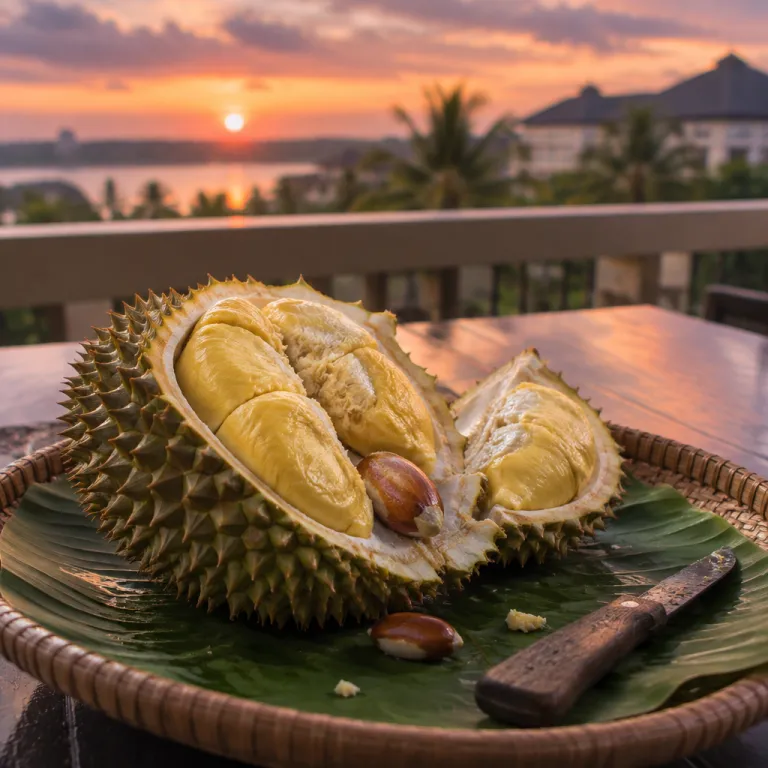
Why brunei durian season belongs on a luxury travel calendar
Brunei sits on the northern coast of Borneo, where the durian season turns humid evenings into a quiet pilgrimage for serious durian lovers. From late season June through October, the main season brings a rush of wild and cultivated durian varieties to the capital, and the city’s best luxury hotels quietly adjust their dining rhythms around this tropical fruit. For a solo explorer planning premium stays, timing your trip to the brunei durian season means aligning room reservations, restaurant bookings and night market forays with the peak season for this famously divisive king of fruits.
Across Southeast Asia, durian has long been called the king, yet Brunei’s forest backed setting gives its durians a different character than those in neighbouring Malaysia or the polished singapore durian scene. Here, durian trees still fringe kampong paths and riverbanks, and the fruit often arrives at the market in small family lots rather than industrial piles, so each durio tells a story about soil, rainfall and the particular year. When you book a high end hotel in Bandar Seri Begawan during the durian season, you are not just reserving a suite ; you are securing a front row seat to a very local, very seasonal ritual that still feels untouched by mass tourism in wider Asia.
The main season typically starts around season June and builds through June July into a pronounced June August wave, with a second, lighter durian season sometimes appearing later in the year. This is when the capital’s Gadong style night market and smaller neighbourhood stalls brim with fruits in every shade of green and red, and when hotel concierges quietly arrange private tastings for guests who ask the right questions. Plan your arrival for the heart of this peak season window and you will find durian fruits everywhere from roadside tables to refined dessert menus, yet still framed by Brunei’s calm, orderly pace rather than the frenzy seen in larger Southeast Asia capitals.
From forest to five star: where durian season appears on your plate
Luxury hotels in Brunei have learned that the brunei durian season is now a reason in itself for regional travel, especially for guests who already know musang king, black thorn or red prawn from frequent trips to Malaysia and Singapore. While the country does not chase the industrial scale of malaysia’s plantations, its smaller durian varieties often include wild or semi wild durio zibethinus and other durio species that fall from forest edges rather than manicured orchards. For a solo traveler, this means you can taste durians that feel closer to the jungle, then retreat to a cool marble lobby and a chilled towel when the tropical fruit intensity becomes overwhelming.
In Bandar Seri Begawan, the durian market experience usually starts at covered markets and roadside stalls, where piles of fruits sit beside other seasonal fruits and red rambutans, and where the air carries that unmistakable durian season perfume. Many premium properties now offer curated excursions, pairing a driver and guide with a structured tasting so you can compare musang king style richness, black thorn like depth, and lighter, almost sweet custard durian varieties without worrying about logistics. Families and solo guests who enjoy cultural immersion can pair these tastings with heritage walks and palace visits, using resources such as royal Brunei for families, palaces, museums and heritage walks to frame durian as part of a broader royal city narrative.
Inside the hotels themselves, durian often appears in controlled, elegant formats that respect strict no durian rules in guest room corridors and lifts. You might find durian flesh folded into chilled mousses, layered into mille crêpes, or turned into petite kuih that balance the fruit’s strong aroma with coconut, pandan and palm sugar, allowing first timers to approach the king fruits gently. Ask the pastry chef or concierge whether the current season June crop is showing more musang king like creaminess or a firmer mao shan or shan wang style texture, and you will often be rewarded with an impromptu masterclass in how Brunei’s climate shapes each year’s durian fruits.
How to eat durian like a local while respecting hotel etiquette
For many visitors, the first encounter with the brunei durian season happens not in a restaurant but at a night market table, where a vendor prises open the fruit to reveal pale or red tinged flesh. The etiquette is simple yet precise ; you choose your durian, agree the price, then watch as the shell is split and the segments are placed on paper or a tray, ready to be eaten by hand. In this moment, the king of fruits feels less like a luxury product and more like a shared Southeast Asia ritual, one that rewards curiosity and a willingness to sit among locals under fluorescent lights.
Hotel policies, however, are strict about bringing durians indoors, because the smell of this tropical fruit can linger in air conditioning systems long after the season has passed. Most luxury properties in Brunei will ask you to keep durians outside guest rooms, sometimes providing designated outdoor areas or partnering with nearby cafés that allow durian tasting on terraces, especially during the intense June July and June August waves. If you are staying during the wetter months, resources such as Brunei in the monsoon can help you understand how rain patterns influence both durian trees and your pool time, making it easier to plan tastings between showers.
When you finally taste the fruit, expect a divide between nose and palate ; the aroma can be strong, yet the flavour often leans sweet, creamy and surprisingly nuanced. Some durian lovers chase the dense, almost savoury complexity associated with musang king, black thorn or king black style fruits, while others prefer lighter durian varieties that feel closer to custard and caramel. If you are unsure, start with a small portion of milder fruits, perhaps in a kuih or ice cream, then graduate to full segments of fresh durio flesh once you understand how your senses respond to this most polarising of Asia’s fruits.
Pairing durian season with Brunei’s wider gastronomy and hotel scene
Planning a trip around the brunei durian season does not mean eating only one fruit ; it means using the main season as a spine for a broader culinary itinerary. Night markets in Bandar Seri Begawan offer grilled seafood, satay, smoky noodles and an array of sweets that frame durian as just one note in a larger Southeast Asia flavour spectrum. Between tastings, you can retreat to high end hotels whose restaurants lean into local ingredients, serving river prawns, jungle vegetables and coconut rich curries that balance the richness of any durian heavy evening.
For solo travelers who value both comfort and authenticity, this is where Brunei excels, offering polished service without the crowds seen in larger Asia capitals such as Singapore or Kuala Lumpur in Malaysia. You might spend the afternoon by a near empty pool, then head out with a driver arranged by your concierge to chase a rumoured batch of especially good red prawn style durians at a suburban market, returning later to a turn down service that quietly airs your clothes after the durian season adventure. To understand why this balance of calm luxury and seasonal intensity works so well, explore guides such as a refined stay in Bandar Seri Begawan, which frame the city as a base for both palace visits and late night fruit hunts.
As the year moves from season June through late summer, durian trees across Borneo respond to shifting rains, sending different waves of fruits into circulation and shaping each peak season. Brunei’s smaller scale means that a sudden flush of particularly aromatic durio zibethinus can sell out in a single evening, so flexibility in your dining plans is essential if you want to taste specific durian varieties. Treat the brunei durian season as you would a wine harvest in Europe ; book a comfortable room, stay several nights, talk to concierges and market sellers, and let the king fruits dictate your schedule rather than the other way around.
FAQ
When is the best time to visit Brunei for durian season ?
The brunei durian season usually begins around season June and strengthens through June July into a pronounced June August peak, with occasional smaller flushes later in the year. For the widest choice of durian varieties, plan a stay of several nights between late June and early autumn, when markets and roadside stalls are most active. Luxury hotels can confirm expected timing for the main season in a given year based on recent rainfall and flowering patterns in local durian trees.
Can I bring durian into my hotel room in Brunei ?
Most premium and luxury hotels in Brunei do not allow durians inside guest rooms or enclosed public areas because the fruit’s strong aroma can linger in fabrics and air conditioning systems. Properties sometimes provide designated outdoor spaces or partner venues where guests can enjoy the king of fruits without affecting other travelers. Always check your hotel’s specific durian policy before buying fruits at the market, and ask the concierge to help arrange tastings that respect house rules.
How does Brunei durian compare with Malaysia or Singapore durian ?
Brunei’s durian season is smaller in volume than the large scale plantations in Malaysia or the highly commercialised singapore durian trade, but this smaller footprint often means more wild or semi wild fruits. Many visitors find that Brunei’s durian varieties, including some red fleshed types, feel closer to the forest, with flavours that can be less predictable but more characterful. If you already know musang king, black thorn, mao shan or shan wang from other parts of Southeast Asia, Brunei offers a chance to taste how different soil and rainfall shape the same species, especially durio zibethinus.
Is durian suitable for first time tasters staying in luxury hotels ?
Yes, first time tasters can enjoy the brunei durian season comfortably by starting with milder preparations in hotel restaurants, such as durian ice cream, kuih or pastries that blend the fruit with coconut and palm sugar. These formats soften the aroma while highlighting the sweet, custard like flesh that durian lovers prize, making the king fruits less intimidating. Once you feel confident, your concierge can help arrange a guided market visit where you can try fresh fruits in a controlled, culturally respectful way.
What else can I pair with a durian focused trip to Brunei ?
A durian season visit pairs well with Brunei’s wider gastronomy, including night market seafood, riverfront cafés and hotel restaurants that showcase local herbs and jungle vegetables. Many travelers also combine durian tasting with cultural experiences such as water village tours, mosque visits and museum walks, using the capital as a calm base. Because the main season overlaps with warmer, sometimes wetter months, you can often enjoy quieter hotel pools and spa facilities between evening fruit excursions, creating a balanced luxury itinerary.